 EN
EN

Ukuran Resmi Lapangan Tenis: Dimensi ITF dan USTA
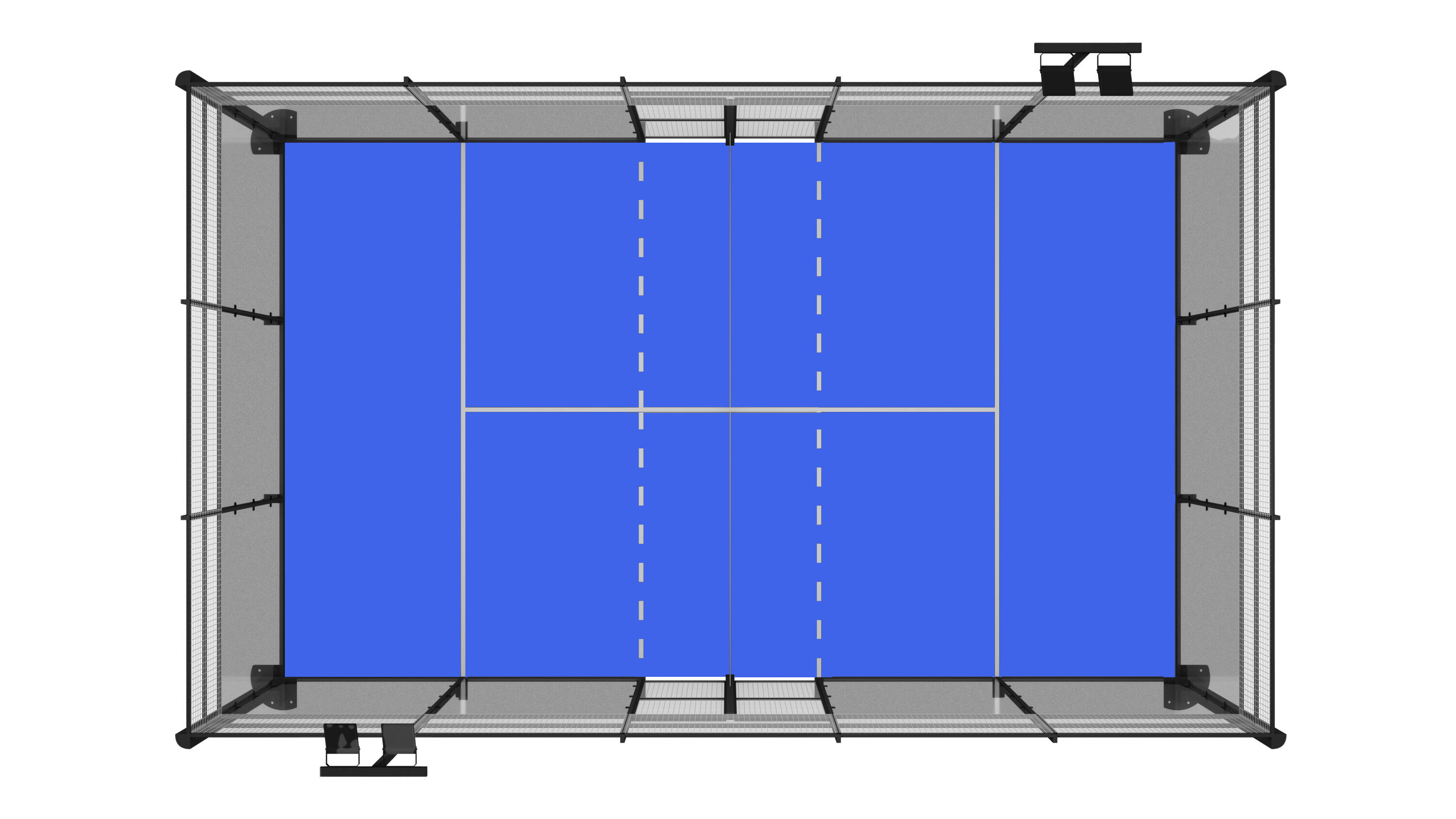
Lapangan tenis di seluruh dunia mengikuti ukuran standar yang ditetapkan oleh organisasi seperti International Tennis Federation (ITF) dan USTA di Amerika Serikat. Organisasi-organisasi ini juga sepakat pada pengukuran yang hampir identik. Secara umum, panjang lapangan adalah 23,77 meter, atau sekitar 78 kaki jika dinyatakan dalam satuan kaki. Lebar lapangan berbeda tergantung pada jenis pertandingan—tunggal atau ganda. Untuk pertandingan tunggal, lapangan lebih sempit dengan lebar sekitar 8,23 meter (setara dengan 27 kaki), sedangkan untuk pertandingan ganda, pemain membutuhkan ruang lebih luas sehingga lebarnya meningkat menjadi sekitar 10,97 meter atau 36 kaki. Pada setiap lapangan, garis luar membentuk batas untuk pertandingan ganda, sedangkan garis dalam membentuk area tunggal yang lebih kecil. Hal menarik yang patut dicatat adalah tiang net justru dipasang tepat di luar garis luar untuk pertandingan ganda. Susunan ini memastikan tidak ada gangguan terhadap permukaan lapangan tempat bermain selama pertandingan.
Dimensi Lapangan dan Penandaan Batas untuk Pertandingan Tunggal versus Ganda
Untuk pertandingan tunggal, pemain menggunakan garis samping dalam, sedangkan pertandingan ganda menggunakan garis samping luar, sehingga memperluas lebar masing-masing sisi sekitar 1,37 meter atau kira-kira 4,5 kaki. Lebar garis batas harus berada antara 5 hingga 10 sentimeter, dan posisinya tidak boleh menyimpang lebih dari 1,5 cm dari lokasi yang ditentukan dalam peraturan. Lapangan itu sendiri juga harus berbentuk persegi panjang sempurna, dengan pengukuran diagonal yang cocok satu sama lain dalam toleransi maksimal 1,5 cm. Jaring tenis standar membagi area bermain secara vertikal menjadi dua bagian identik di tengah lapangan. Masing-masing bagian memiliki panjang sekitar 11,89 meter, meskipun lebar sebenarnya bervariasi tergantung pada jenis permainan—tunggal atau ganda. Garis servis ditempatkan sejajar dengan jaring, berjarak sekitar 6,4 meter (kira-kira 21 kaki) dari jaring melintasi lapangan.
Toleransi Tinggi Jaring, Garis Baseline, dan Garis Samping Menurut Standar Peraturan
Aturan-aturan tersebut menetapkan standar yang cukup tepat untuk struktur lapangan. Di titik tengah, jaring harus berada pada ketinggian tepat 91,4 cm (yaitu 36 inci), meskipun masih diperbolehkan toleransi sekitar setengah sentimeter ke atas atau ke bawah. Ketentuan menjadi lebih ketat di bagian sudut, di mana ketinggian jaring mencapai 106,7 cm (atau 42 inci) dengan toleransi hanya sepertiga sentimeter. Mengenai garis dasar (baseline), ketebalannya harus tepat 10 cm, tetapi masih diperbolehkan toleransi plus-minus satu sentimeter. Adapun ketegangan jaring antara tiang-tiang penyangga, peraturan memberikan ruang penyesuaian kecil bagi petugas—selisih maksimal hanya setengah sentimeter dari nilai yang ditentukan. Sementara itu, penyangga vertikal tidak boleh memiliki diameter lebih dari 15 cm. Sebelum pertandingan dimulai, wasit memeriksa semua komponen secara cermat menggunakan alat ukur khusus guna memastikan seluruhnya memenuhi standar ini, sehingga tidak ada pihak yang dapat mempertanyakan keadilan jalannya pertandingan sesuai pedoman resmi.
Jejak Total Situs: Lebih Luas daripada Permukaan Lapangan Tenis
Saat merencanakan lokasi pembangunan lapangan tenis yang layak, kebanyakan orang melupakan betapa banyak ruang tambahan yang dibutuhkan di luar area tempat permainan sebenarnya berlangsung. Zona keselamatan di sekeliling lapangan juga bukanlah elemen opsional. Baik USTA maupun ITF memiliki aturan ketat mengenai area-area ini jika suatu acara ingin disertifikasi untuk turnamen. Di belakang garis baseline, pemain memerlukan ruang terbuka sejauh 3,6 hingga 6,4 meter. Di masing-masing sisi lapangan, harus tersedia minimal 1,8 meter—namun lebih disarankan mendekati 3,6 meter. Jangan pula lupa area di depan net, tempat pemain melakukan lompatan dan pemulihan setelah pukulan besar, yang juga membutuhkan ruang sekitar 3,6 hingga 4,5 meter. Secara keseluruhan, zona penyangga ini menghabiskan tambahan ruang sekitar 30% hingga 50% dari luas area bermain itu sendiri saat menghitung kebutuhan lahan total untuk fasilitas tenis serius.
Zona Penyangga Wajib untuk Bermain Aman dan Kepatuhan Turnamen
Jarak bebas yang tidak memadai meningkatkan risiko cedera dan membuat venue tidak memenuhi syarat untuk kompetisi resmi. Fasilitas rekreasi boleh menerapkan batas minimum—misalnya 3 meter (10 kaki) di belakang garis akhir—namun standar profesional menuntut ketelitian: pukulan servis berkecepatan tinggi memerlukan jarak bebas penuh 6,4 meter (21 kaki) di belakang garis akhir, sedangkan mobilitas lateral membutuhkan margin samping sebesar 3,7 meter (12 kaki). Tabel di bawah ini menguraikan tolok ukur kritis:
| Zona Pelarian | Minimum Rekreasi | Standar Turnamen | Tujuan |
|---|---|---|---|
| Di Belakang Garis Akhir | 3,0 m (10 kaki) | 6,4 m (21 ft) | Perlambatan/penarikan diri setelah servis |
| Sepanjang Garis Samping | 1,8 m (6 kaki) | 3,7 m (12 kaki) | Keamanan pergerakan lateral |
| Pendekatan Jaring | 3,7 m (12 kaki) | 4,6 m (15 kaki) | Pemulihan permainan jaring |
Dampak Pagar Pengaman, Penerangan, dan Ruang Akses terhadap Penggunaan Lahan Secara Keseluruhan
Pagar pengaman yang baik di sekeliling sebagian besar lapangan umumnya memiliki tinggi antara 3 hingga 4 meter, sehingga mengurangi ruang tambahan sebesar setengah hingga satu meter di seluruh sisi lapangan. Untuk tiang penerangan, pemasang memerlukan fondasi kokoh sedalam sekitar 1,5 meter, yang diposisikan pada jarak 3 hingga 6 meter di luar batas lapangan sebenarnya. Susunan ini membantu mencegah cahaya silau selama pertandingan sekaligus menjaga kestabilan struktural keseluruhan. Selanjutnya, ada jalur pemeliharaan dan area tempat penonton berjalan, yang biasanya memakan ruang tambahan sebesar 1,2 hingga 2 meter di masing-masing sisi. Ketika semua faktor ini dipertimbangkan secara bersamaan, luas total area yang dibutuhkan menjadi kira-kira 1,7 hingga 2,3 kali lebih besar daripada luas lapangan itu sendiri. Oleh karena itu, perencanaan ruang tambahan selalu bijaksana dalam pembangunan fasilitas olahraga.
Kendala Praktis yang Mempengaruhi Keputusan Ukuran Lapangan di Dunia Nyata
Kondisi aktual suatu lokasi cenderung lebih diutamakan dibandingkan saran regulasi dalam menentukan ukuran lapangan. Ketika menghadapi lahan miring, biasanya diperlukan pekerjaan penggalian dan perataan (grading) dalam jumlah cukup besar. Hal ini bisa berarti memperkecil area limpasan atau memutar seluruh lapangan agar lebih sesuai dengan kemiringan alami tanah. Untuk lahan tidak beraturan yang rumit, penyesuaian diagonal menjadi faktor paling penting. Area tersebut memerlukan ruang bebas minimal 120 × 60 kaki untuk mencakup seluruh elemen, mulai dari lapangan itu sendiri hingga jalur drainase yang memadai, lokasi jalur utilitas di bawah tanah, serta jarak minimum yang dipersyaratkan antara bangunan dan batas lahan. Masalah anggaran juga menambah kompleksitas perhitungan ini. Penggalian di atas tanah berbatu dapat menaikkan biaya konstruksi lebih dari lima belas ribu dolar AS, sehingga mendorong kompromi seperti memperkecil area limpasan atau bahkan menghilangkan pemasangan pagar di sekeliling lapangan.
Aturan zonasi menambah kompleksitas dalam perencanaan proyek konstruksi. Sebagian besar peraturan daerah mensyaratkan jarak bebas (setback) sekitar 3 hingga 6 meter dari batas lahan, yang dapat mengurangi ruang terpakai hingga seperempatnya di banyak kawasan permukiman. Selanjutnya, ada pembatasan di dataran banjir pesisir yang terkadang memaksa pelaksana konstruksi memasang pelat beton bertingkat, sehingga membatasi tinggi ruang interior bangunan. Jenis tanah juga berpengaruh—tanah liat mengembang memerlukan tambahan bahan dasar sekitar 30 cm di bawah fondasi, sedangkan tanah berpasir membutuhkan langkah khusus untuk mencegah erosi. Memandang ke depan sama pentingnya dengan memperhatikan kendala saat ini. Mereka yang berencana mengubah lapangan menjadi multiolahraga di masa mendatang biasanya menyisakan ruang ekstra untuk berbagai marka, sementara mereka yang mengantisipasi keramaian umumnya mengalokasikan tambahan 3 hingga 4,5 meter di luar zona limpasan reguler. Pada akhirnya, apa yang dibangun bergantung pada keseimbangan semua faktor ini: regulasi, karakteristik lokasi, dana yang tersedia, serta arah pengembangan yang dipandang pemilik dalam lima tahun ke depan. Melakukan survei lahan secara tepat sejak dini membuat perbedaan besar. Melewatkan langkah ini sering kali berujung pada perubahan mahal di tengah proses konstruksi ketika muncul masalah yang tak terduga.
Residensial vs. Komersial: Bagaimana Tujuan Penggunaan Menentukan Ukuran Adaptasi Lapangan Tenis
Kompromi dalam Instalasi Halaman Belakang: Aliran Air yang Berkurang dan Tata Letak yang Tidak Sesuai Standar
Sebagian besar lapangan tenis rumahan tidak mengikuti pedoman resmi ITF/USTA karena keterbatasan ruang dan anggaran. Lapangan komersial memiliki dimensi turnamen yang tepat—yaitu 21 kaki di belakang garis akhir dan 12 kaki di sisi-sisinya. Namun, pengaturan lapangan di halaman belakang sering kali memangkas dimensi tersebut menjadi sekitar 10 kaki atau bahkan kurang. Hal ini membuat permainan menjadi kurang aman dan berarti pemain tidak lagi dapat berkompetisi secara resmi. Banyak orang juga membangun lapangan yang jauh lebih kecil secara keseluruhan, sehingga tidak memenuhi ukuran standar 120 × 60 kaki yang diperlukan untuk pertandingan ganda, atau hanya membangun lapangan tunggal dengan bentuk yang tidak lazim. Masalah anggaran juga menyebabkan pemotongan lainnya: penerangan kerap diabaikan sama sekali dalam banyak kasus, dan jaring hampir tak pernah dipasang pada ketinggian yang tepat (sekitar 35 inci, plus atau minus setengah inci). Pemasang profesional biasanya tidak repot menggunakan alat ukur khusus yang diperlukan untuk ketepatan pengukuran. Perubahan-perubahan ini memungkinkan orang tetap bisa bermain tenis di area terbatas, namun akibatnya pemain lebih sering menabrak pagar dan kehilangan kemampuan beralih antar jenis permainan. Pada akhirnya, jenis tenis yang ingin dimainkan seseoranglah yang menentukan seluruh pengukuran yang diwujudkan dalam pembangunan lapangannya.
Pertanyaan Umum tentang Dimensi Lapangan Tenis
Berapa dimensi resmi lapangan tenis?
Dimensi resmi, sebagaimana disepakati oleh ITF dan USTA, adalah 23,77 meter (78 kaki) panjangnya, serta lebar 8,23 meter (27 kaki) untuk pertandingan tunggal dan 10,97 meter (36 kaki) untuk pertandingan ganda.
Apa tujuan zona run-off di sekitar lapangan tenis?
Zona run-off menjamin keselamatan selama pertandingan dengan menyediakan ruang bagi pemain untuk melambat dan bergerak tanpa risiko cedera. Zona-zona ini juga sangat penting guna memenuhi persyaratan turnamen.
Mengapa lapangan tenis residensial sering kali lebih kecil daripada ukuran resmi?
Keterbatasan lahan dan anggaran umumnya menyebabkan pengurangan dimensi dalam lingkungan residensial, sehingga menghasilkan zona run-off yang lebih sempit dan tata letak yang berpotensi tidak memenuhi standar.
Bagaimana pencahayaan dan pagar lapangan memengaruhi kebutuhan ruang keseluruhan?
Pencahayaan dan pagar lapangan menambah kebutuhan ruang karena keduanya memerlukan fondasi serta jarak bebas tambahan di sekeliling lapangan guna memastikan fungsi dan keselamatan yang optimal.
Daftar Isi
- Ukuran Resmi Lapangan Tenis: Dimensi ITF dan USTA
- Jejak Total Situs: Lebih Luas daripada Permukaan Lapangan Tenis
- Kendala Praktis yang Mempengaruhi Keputusan Ukuran Lapangan di Dunia Nyata
- Residensial vs. Komersial: Bagaimana Tujuan Penggunaan Menentukan Ukuran Adaptasi Lapangan Tenis
- Pertanyaan Umum tentang Dimensi Lapangan Tenis