 EN
EN

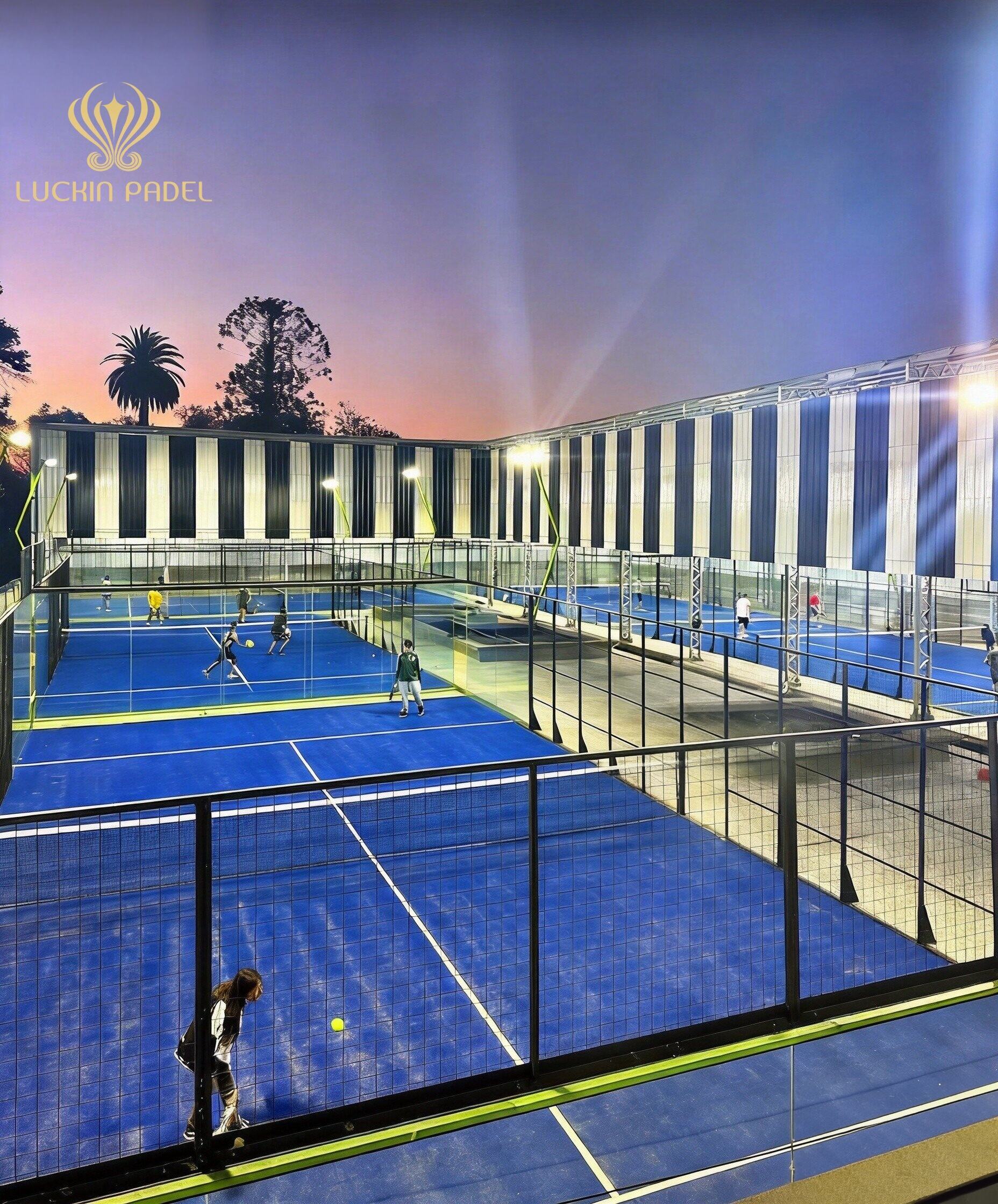
Custo-Benefício: Preços competitivos sem comprometer a qualidade
Preços diretos de fábrica versus fornecedores europeus e locais de quadras de pádel
Comprar quadras de pádel diretamente das fábricas chinesas elimina essas taxas adicionais de intermediários, o que pode gerar economias de cerca de 30 a 50 por cento em comparação com os preços habitualmente cobrados por distribuidores europeus, segundo relatórios do setor. Quando as empresas adquirem diretamente na origem, obtêm produtos de alta qualidade a preços totalmente transparentes, sem custos ocultos — algo que a maioria dos fornecedores locais não consegue igualar, pois sua cadeia de suprimentos envolve tantas etapas que simplesmente encarecem o preço final. Para quem pretende encomendar mais de dez quadras de uma só vez, o processo de fabricação torna-se muito mais eficiente, reduzindo o custo unitário individual para uma faixa entre US$ 12 mil e US$ 15 mil, incluindo todos os materiais necessários e o atendimento às normas de segurança. Já os vendedores europeus costumam cobrar entre US$ 18 mil e US$ 25 mil por quadra. O que torna isso possível é a forma como esses fabricantes chineses estruturaram toda a sua operação — do início ao fim — em um único local, controlando integralmente desde a aquisição das matérias-primas até a produção e os controles de qualidade.
Como o Modelo Direto da Fábrica Elimina os Intermediários e Reduz o Custo Total de Entrega
Quando as empresas eliminam agentes de importação, atacadistas e distribuidores locais de sua cadeia de suprimentos, estão, na verdade, contornando de três a cinco níveis de margem de lucro que normalmente acrescentam cerca de 40 a 60 por cento de custo adicional aos projetos. Essa abordagem simplificada reduz significativamente o chamado Custo Total de Entrega (ou CTED, sigla em português). Esse termo abrange basicamente todos os custos desde a fabricação do produto até o frete, as taxas alfandegárias e até mesmo a instalação no destino final. Com abordagens de design modular, os fabricantes conseguem aproveitar o espaço dos contêineres muito mais eficientemente, reduzindo as despesas com frete em aproximadamente um quarto em comparação com os métodos tradicionais. Ao combinar isso com técnicas de produção sob demanda (Just-In-Time) e cronogramas de entrega, o prazo habitual de 90 a 120 dias cai drasticamente para entre 45 e 60 dias. Isso significa menos capital imobilizado em espaços de armazenamento e retornos sobre o investimento mais rápidos para as empresas. Como resultado, os fabricantes chineses agora conseguem entregar soluções completas e certificadas para quadras de pádel a preços aproximadamente 35 por cento inferiores aos praticados por produtos semelhantes nos mercados ocidentais.
Personalização e Velocidade: Soluções Modulares para Quadras de Pádel da China
Flexibilidade de Design Personalizado: Grama Sintética, Acabamentos em Aço, Tipos de Vidro e Integração de Marca
Fabricantes com sede na China oferecem diversas opções para personalizar produtos de acordo com as necessidades específicas de cada local. No que diz respeito à escolha de gramados, os clientes dispõem de várias alternativas, como grama sintética resistente ou superfícies de jogo de alta qualidade, projetadas para garantir um quique previsível da bola e maior durabilidade sob uso contínuo. Os perfis de aço vêm com tratamentos de galvanização a quente ou revestimento em pó, que protegem contra a corrosão, independentemente de serem instalados em áreas litorâneas, cidades movimentadas ou regiões do interior. Os padrões de segurança são atendidos por sistemas de vidro que incluem, como padrão, vidro temperado certificado conforme a norma EN12150-1; além disso, há a opção de camadas laminadas que ajudam a conter melhor os fragmentos em caso de quebra. Para fins de marca, todos os elementos se integram perfeitamente: logotipos, cores e sinalizações podem ser aplicados em cercas, postes de iluminação ou até diretamente nas linhas do campo. Isso contribui para criar uma aparência coesa nas instalações, mantendo, ao mesmo tempo, excelentes propriedades estruturais em toda a sua extensão.
Engenharia Modular para Instalação Rápida — Adaptável às Restrições Climáticas, de Localização e de Cronograma
O uso de peças modulares pré-fabricadas pode reduzir quase pela metade o tempo de montagem no local, o que é realmente útil quando os projetos precisam ser concluídos rapidamente, sob pressão de prazos. Esses módulos vêm com proteção contra intempéries integrada, graças a materiais como plásticos estabilizados contra raios UV, aço marinho de alta resistência e vidro testado quanto à resistência a impactos. Eles se mantêm bem tanto em condições de umidade extremamente elevada, quanto em temperaturas congelantes ou escaldantes provocadas pela exposição solar contínua ao longo do dia inteiro. O que torna esses sistemas tão versáteis é sua capacidade de adaptação a diferentes situações. Algumas configurações funcionam excelentemente em terrenos inclinados, onde construções tradicionais enfrentariam dificuldades; outras se encaixam em espaços apertados, inviáveis para métodos convencionais de construção. Já observamos instalações bem-sucedidas em telhados de fábricas antigas, pátios no centro das cidades e até em antigos galpões abandonados que ganham nova vida. Além disso, há outro grande benefício, pouco comentado, mas de grande relevância prática: a mão de obra necessária diminui drasticamente durante a instalação, o que reduz significativamente os custos totais, sem comprometer certificações de segurança, como as marcas FIP e CE, plenamente atendidas em todo o processo.
Garantia de Qualidade: Materiais Certificados e Conformidade Internacional
Componentes Premium Certificados: Aço Galvanizado, Vidro Temperado EN12150-1 e Laminados de Segurança
Quando se trata de construir estruturas duráveis, o uso de materiais certificados é o ponto de partida. Os perfis de aço tratados com galvanização a quente já resistem à corrosão há mais de três décadas, especialmente em ambientes costeiros agressivos, onde o ar salgado deteriora todos os demais materiais. Os painéis de vidro que instalamos são todos certificados conforme a norma EN12150-1, o que significa que atendem às mais recentes normas europeias de segurança de 2023. Esses painéis suportam impactos cinco vezes mais fortes do que os suportados pelo vidro recozido convencional. Nossos laminados de segurança integrados também funcionam muito bem: quando bolas os atingem durante o jogo, o vidro permanece intacto, sem se fragmentar em pedaços perigosos, mantendo, ao mesmo tempo, uma excelente transparência. Todos esses componentes de alta qualidade se combinam para garantir um desempenho consistente no ressalto da bola ao longo de torneios inteiros, assegurar a estabilidade estrutural ao longo do tempo e cumprir integralmente os rigorosos requisitos técnicos da FIP, exigidos pelas instalações esportivas.
Normas Validadas: CE, ISO 9001, ISO 14001 e Certificações SGCC Explicadas
Certificações de todo o mundo demonstram que as empresas levam a sério seus sistemas globais, e não apenas verificam componentes individuais. A marca CE indica que os produtos atendem a todas as normas da União Europeia relativas à saúde, às normas de segurança e à proteção do meio ambiente. Em seguida, temos a ISO 9001, que avalia a eficácia com que as empresas gerenciam a qualidade em todas as suas atividades, desde o projeto dos produtos até sua fabricação e testes. Outra certificação importante é a ISO 14001, que verifica se as empresas realmente se preocupam com o planeta, por meio, por exemplo, da redução de resíduos e da economia de energia durante a produção. Especificamente para produtos de vidro, a obtenção da credenciação do SGCC (Centro de Certificação de Vidros de Segurança) comprova que o vidro foi submetido a testes rigorosos quanto à sua resistência a impactos, conforme as normas locais e globais. Esses auditores independentes retornam anualmente para verificar se todos os processos ainda funcionam adequadamente. Essa revisão periódica fornece evidência documental de que a conformidade é mantida ao longo do tempo. E, segundo este relatório recente intitulado 'Normas Globais de Construção 2024', a posse dessas certificações reduz os problemas regulatórios em quase 92% nas regiões da Europa e da Ásia-Pacífico.
Suporte Ponta a Ponta: Exportação Confiável, Logística e Serviço Pós-Venda
Fornecedores chineses que atuam há anos cuidam de tudo, do início ao fim, no processo de colocar produtos prontos para exportação. Eles se encarregam de toda a documentação necessária para as exportações, resolvem questões aduaneiras e coordenam o transporte, seja por via aérea ou marítima, até a porta do cliente. Como esses profissionais conhecem bem os termos comerciais internacionais, como os INCOTERMS, compreendem como funcionam as tarifas e estão familiarizados com os requisitos específicos de importação de cada país, conseguem evitar atrasos e erros dispendiosos decorrentes de classificações incorretas. Após a entrega, normalmente há alguém disponível para auxiliar na instalação dos equipamentos, na resolução de problemas que possam surgir, no tratamento de questões relacionadas à garantia e no envio de peças de reposição sempre que necessário. Esse suporte é fornecido com instruções em múltiplos idiomas e, às vezes, inclui assistência remota por telefone ou internet. O que torna esse sistema tão eficaz é que ele promove operações mais ágeis no geral, ao mesmo tempo que constrói relações reais baseadas em responsabilidade, capacidade de resposta rápida e consistência no apoio prestado ao longo do tempo.
Perguntas Frequentes
Por que os campos de pádel de fabricantes chineses são mais baratos do que os fornecedores europeus?
Os fabricantes chineses oferecem preços competitivos ao eliminar intermediários, permitindo-lhes reduzir custos em 30 a 50 por cento em comparação com distribuidores europeus. Eles gerenciam toda a cadeia de suprimentos internamente, desde matérias-primas até a produção, o que garante transparência e eficiência de custos.
O que é o Custo Total de Entrega (CTE) e como ele é reduzido?
O Custo Total de Entrega inclui todas as despesas desde a fabricação do produto até a instalação. Ao eliminar múltiplos intermediários e otimizar o transporte com designs modulares, o CTE é reduzido em cerca de 40 a 60 por cento, resultando em economias significativas de custos.
Quais opções de personalização estão disponíveis para quadras de pádel?
Os clientes podem escolher entre várias opções, como grama sintética, acabamentos em aço, tipos de vidro e elementos de marca, como logotipos e cores, para criar um design coeso e funcional alinhado às necessidades específicas do local.
Os fabricantes chineses atendem aos padrões internacionais de qualidade?
Sim, os fabricantes chineses utilizam componentes premium certificados e cumprem normas internacionais, como CE, ISO 9001, ISO 14001 e SGCC, garantindo alta qualidade e conformidade com os requisitos de segurança e ambientais.
Como os fornecedores chineses lidam com logística e suporte pós-venda?
Fornecedores chineses experientes gerenciam eficientemente as exportações, alfândega e logística de transporte. Eles oferecem um suporte abrangente pós-venda, incluindo assistência na instalação, tratamento de garantias e apoio técnico em vários idiomas.
Sumário
- Custo-Benefício: Preços competitivos sem comprometer a qualidade
- Personalização e Velocidade: Soluções Modulares para Quadras de Pádel da China
- Garantia de Qualidade: Materiais Certificados e Conformidade Internacional
- Suporte Ponta a Ponta: Exportação Confiável, Logística e Serviço Pós-Venda
-
Perguntas Frequentes
- Por que os campos de pádel de fabricantes chineses são mais baratos do que os fornecedores europeus?
- O que é o Custo Total de Entrega (CTE) e como ele é reduzido?
- Quais opções de personalização estão disponíveis para quadras de pádel?
- Os fabricantes chineses atendem aos padrões internacionais de qualidade?
- Como os fornecedores chineses lidam com logística e suporte pós-venda?