EN
EN
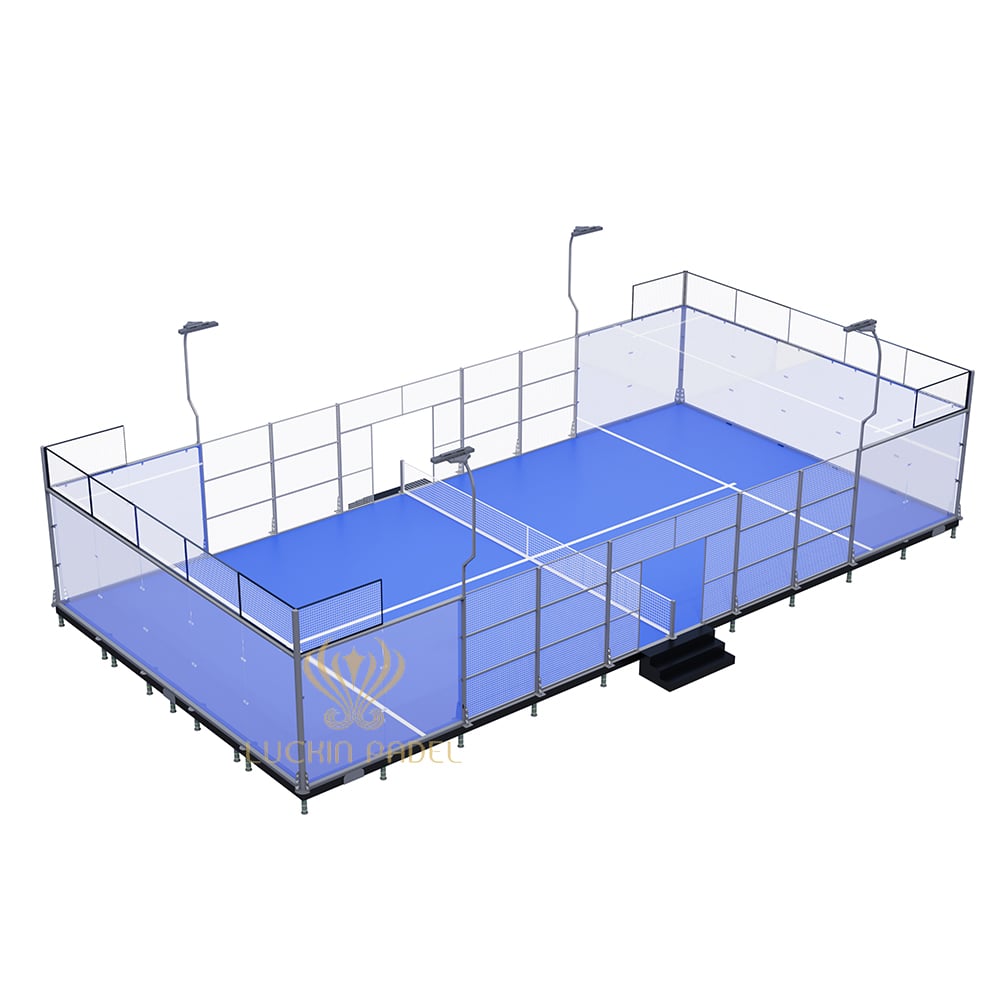
How well a padel court works really depends on the quality of the artificial grass surface it has, which is why good padel turf production facilities matter so much. When the turf isn't up to standard, players face problems like unpredictable ball bounces, slippery footing, and increased chances of getting hurt during matches. That affects both how the game plays out and player safety overall. Serious padel turf makers design their surfaces specifically for this sport, creating materials that absorb impact properly, give consistent ball returns, and hold up over time even when courts get heavy usage from regular tournaments and training sessions.
Getting the manufacturing process just right makes all the difference when it comes to how a court plays from corner to corner. Good manufacturers know this and put their heads down on quality checks at every stage, starting with those fibers being pushed through dies and going all the way to applying that backing material. They're constantly measuring things like pile height, how tightly packed everything is, and whether the infill gets distributed properly between the grass blades. Without this kind of attention to detail, players end up dealing with patches where the ball bounces strangely or areas that wear out faster than others. The result? A surface where athletes can rely on consistent bounce patterns and solid footing year after year without worrying about sudden surprises during critical moments in matches.
One top turf manufacturer shows just how important it is when they control everything from the raw materials all the way through to the finished product. When a factory keeps tabs on every single step in the process, their rolls tend to hit those technical specs spot on most of the time. What does this mean for actual use? Courts stay consistent whether people are playing for fun or serious competition. Fewer mistakes happen during production, so the courts keep performing well over time. That's why smart buyers look for companies that actually own their entire production chain instead of outsourcing parts of it to other places.
When talking about turf quality, two main factors stand out: pile height and DTex rating. For professional padel courts, we usually see pile heights around 13 to 15 millimeters with stitch densities above 18,000 per square meter. Cheaper alternatives tend to have shorter piles at 8 to 10 mm and not as dense stitching. The DTex number tells us how heavy the yarn is, and this has a big impact on how long the surface will last. Tournament organizers look for at least 7500 DTex when certifying courts through FIP standards. Courts with higher DTex ratings resist wear better and give players that reliable ball bounce they need during matches. These numbers matter because they determine whether a court will hold up season after season without losing its performance characteristics.
The infill system is really important for getting that balance between keeping players safe and making sure the ball behaves properly on the field. Good quality infill absorbs shocks effectively without sacrificing how the ball bounces back after being dropped from around two meters high, typically giving a rebound between 135 and 145 centimeters. The surface needs just enough grip so players don't slip and twist their ankles when making sudden moves. Proper infill material actually makes a big difference in how long the whole system lasts too. Most fields with decent infill should last at least eight years before needing replacement, which means better value for money over time while still performing well throughout those years.
The kind of fiber and the backing system really make a difference in how a field plays. Most top manufacturers go with fibrillated fibers because they help speed things up on the field and keep the infill distributed evenly, so balls bounce consistently across the surface. But there's a trade-off here - these fibers tend to wear out faster compared to monofilament options that just last longer overall. When it comes to backing weight, professional quality turf usually weighs over 1200 grams per square meter, whereas cheaper versions sit somewhere between 600 and 800 grams. This matters a lot for stability and how long the whole system will hold up before needing replacement.
The FIP certification stands out as the benchmark when it comes to proving a padel turf factory delivers good quality products. For factories wanting this stamp of approval, they need to make sure their turf has a minimum pile height of 12mm and uses yarn rated at least 7500 DTex. Plus, there are those regular ISO 9001 checks every quarter that look specifically at things like how well the welds hold up and whether the turf can resist corrosion over time. Most big tournaments these days ask for EN 14620 compliance too, so getting FIP certified basically becomes non-negotiable if a venue wants to host serious competition-level matches.
Knowing the difference between actual manufacturers and just resellers really makes a big difference when it comes to padel turf. Real factories handle everything themselves starting with raw materials all the way through to finished products, whereas most distributors simply take what someone else made and slap their own brand on it. Why does this even matter? Well, manufacturers can actually provide proper technical help when needed, allow for custom options, and maintain quality throughout production. According to industry reports, places that buy straight from the factory tend to have about 30% fewer problems during installation and see around 25% better results over time compared to those going through middlemen. Makes sense if we think about who's actually responsible for what goes wrong or right with the product.
Going straight to the factory brings advantages that go well past just saving money on the bottom line. Factories can offer real engineering know-how, create special mixes that actually work better for specific climates where they'll be used, and let companies keep a close eye on product quality throughout production. The numbers back this up too: most projects cut their expenses by around 20 to 30 percent when working directly with manufacturers. Plus, there are those extended warranties and tech support options that most distributors simply don't provide. These kinds of perks make all the difference in long-term performance and reliability.
When looking out for red flags from resellers or poor quality manufacturing, watch for companies that can't show their factories, won't share production records, or refuse to talk about where they source their materials. Products from gray markets tend to have all sorts of problems including labels that don't match up, missing certification marks, and price tags so low they just don't make sense given what goes into making quality goods. Artificial turf that doesn't meet specifications usually falls short on FIP requirements too. Problems start showing up pretty quickly actually - colors fade away, fibers break down, and balls bounce unpredictably across the surface. Most folks notice these issues somewhere between a year and a year and a half after installation.
Before working with any supplier, it's wise to ask for actual evidence showing they can manufacture what they claim. Look at their facility certifications and how they handle quality control processes. A good idea is to do either virtual inspections or visit their facilities in person to get a real sense of their production capacity and the technology they work with. Testing product samples according to FIP standards makes sense too, checking things like ball bounce performance, how surfaces feel when touched, and whether materials hold up under UV light exposure before placing big orders. Experience shows that going through this process helps weed out bad suppliers around four out of five times, saving money and headaches down the road when building courts.
Premium factory-made turf withstands up to 300,000 abrasion cycles before significant wear, maintaining consistent ball bounce and structural integrity. These surfaces are designed to handle the sliding movements typical in padel, minimizing fiber deformation and reducing injury risks during rapid lateral play.
Turf made in factories incorporates UV-stabilized fibers that can last outdoors for around 8 to 12 years, which is almost twice as long as standard options that typically only last 4 or 5 years. The difference means facilities don't need to replace their surfaces as often, cutting down on replacements by about 60 percent over time. Sports centers that have switched to this type of turf combined with special hybrid infill materials are seeing real money saved on upkeep costs. According to recent audits from European sports facilities in 2024, these places save approximately 18 euros per square meter annually. Plus, the colors stay vibrant longer and the playing surface maintains good quality even after being exposed to sunlight for extended periods.
When people follow what the manufacturer says about maintenance, artificial turf often lasts much longer than the usual 4 to 6 year timeframe. The basic stuff includes getting rid of dirt and debris regularly, brushing those fibers every couple of weeks or so, and keeping an eye on how much infill material there actually is. Schools and sports centers that stick with this kind of routine typically save around 40 percent on their costs per hour of playtime when looking at a ten-year period. Looking at the big picture, most maintenance guides for synthetic playing fields stress that catching small signs of wear before they get bad really helps stop bigger problems down the road. This means the field stays good for longer and saves money in the long run for whoever owns it.
When it comes to picking a padel turf factory, going with one that has been around for more than ten years really makes a difference in what happens down the road. A look at data from the Global Court Construction Report back in 2023 shows something interesting: established manufacturers end up building courts that have about 37 percent fewer problems structurally after just five years compared to those made by newer companies getting their feet wet in the business. These kinds of reliability factors mean less money spent on repairs over time and better overall playing conditions throughout the court's lifespan. That's why experienced production teams should definitely be high on anyone's list when they're shopping around for quality installations.
Experienced factories leverage years of R&D to refine fiber resilience, UV stabilization, and infill integration—all critical factors in preventing premature wear. This technical depth ensures every turf roll meets exact standards for ball bounce and player safety, even under tournament conditions.
Researchers who tracked municipal sports facilities over five years discovered something interesting about artificial turf quality. Courts installed with materials from established manufacturers stayed within FIP standards almost twice as long (around 89%) compared to installations from newer companies. The older manufacturer turf resisted issues like flattened fibers and compacted infill much better, which keeps balls bouncing predictably and players sliding consistently across the surface. What this really shows is that when it comes to synthetic sports fields, experience matters. Facilities investing in proven manufacturers tend to get longer-lasting courts that athletes actually enjoy using rather than complaining about inconsistent play conditions.
Before making any commitments, it's essential to check out a factory's real capabilities through actual audits and some independent sample testing too. Don't forget to ask for those third-party lab reports that cover important factors like how well materials resist UV damage, their tensile strength numbers, and whether they meet all environmental standards. When looking at quality control systems, pay close attention to whether batches stay consistent from one production run to another and if there's proper tracking of materials throughout the process. During on-site visits, take time to look at how calibrated the machines really are, where exactly they source their raw materials from, and most importantly, assess the skill level of the workers on the floor. These things matter because they tell the story about whether this particular factory can reliably produce turf that meets tournament specifications week after week.
The quality of padel turf impacts how well the ball bounces, the traction for players, and overall safety during matches, influencing game dynamics and player experience.
A trusted padel turf factory should provide high-quality materials, control the production process from start to finish, and comply with industry standards like FIP certification.
Manufacturers oversee the entire production process, offer technical support, and allow for customization. Distributors often rebrand and resell products made by others without direct involvement in manufacturing.
Pile height, stitch density, DTex rating, infill material, fiber type, and backing weight are crucial factors that affect playability, durability, and shock absorption.
Direct sourcing saves costs, ensures technical support, offers customization options, and maintains consistent quality throughout production.
Conducting audits, sample testing, reviewing third-party reports, and visiting facilities to check their production capacities and employee expertise are important steps.
Following manufacturer maintenance guidelines, such as regular cleaning and monitoring infill material helps prolong turf lifespan beyond typical expectations.
Experienced manufacturers have a proven track record, providing reliability, innovation, and fewer structural issues, saving on repair costs over time.
Copyright © 2025 by FOSHAN LUCKIN SPORTS GOODS CO.,LTD — Privacy Policy