 EN
EN

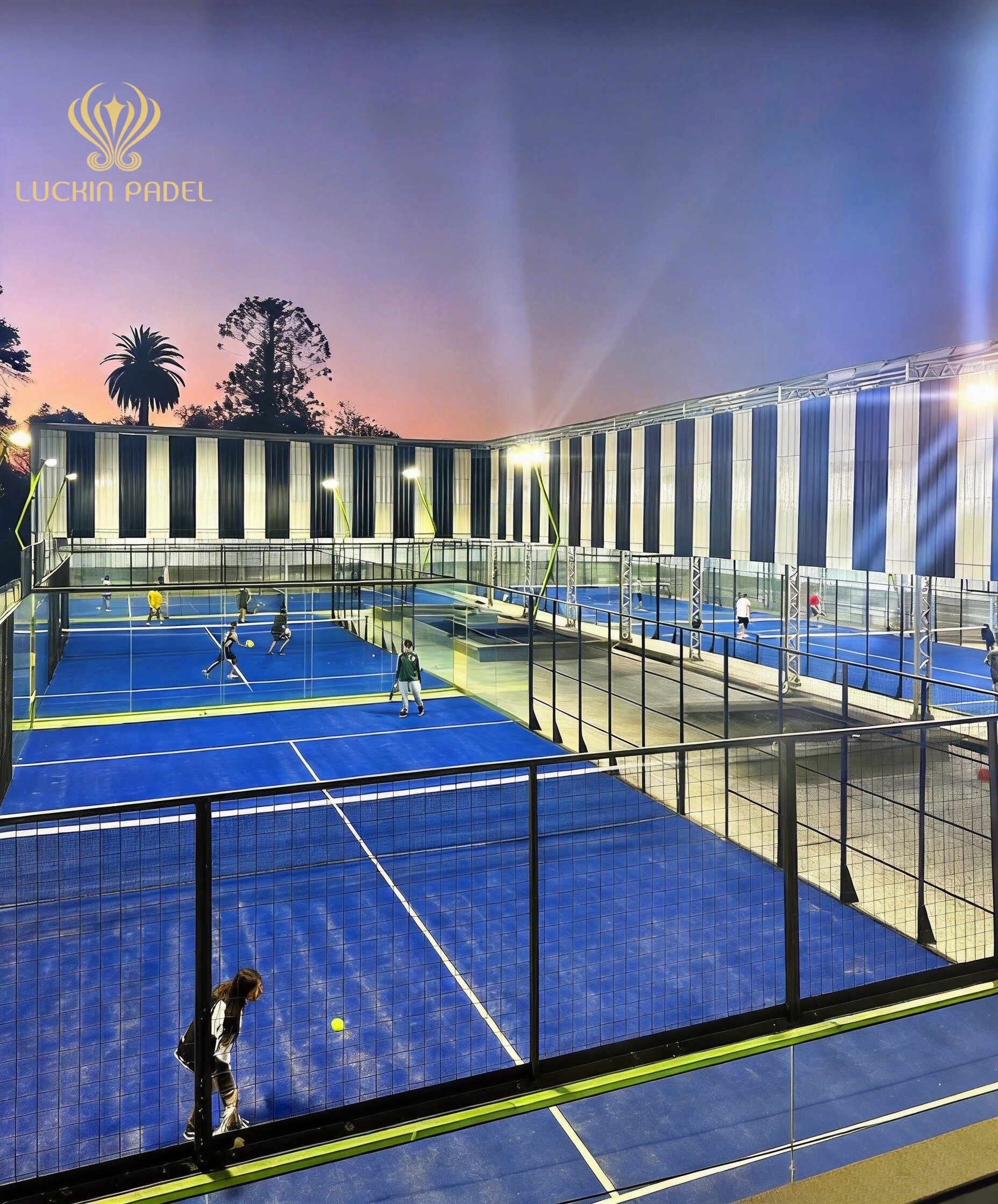
FIP-kompatible dimensioner og strukturel præcision
Hvorfor nøjagtige layout på 20 m × 10 m kræver ingeniørmæssig stringens – ikke blot målebånd
At opfylde FIP-standarderne kræver langt mere end blot at få målingerne rigtige. Stålrammer udvider sig, når de opvarmes, og denne termiske udvidelse kan forårsage variationer på omkring 3 mm over 10 meter, hvis temperaturen ændres med ca. 15 grader Celsius. Derfor starter alle gode installationer altid med laser-nivellering af fundamentet og anbringelse af udvidelsesfuger på strategiske steder. Ellers vil al den akkumulerede spænding til sidst revne væggene eller ødelægge spillefladen med tiden. Jordprøvning før byggeriet er også absolut afgørende. Et lille hældningsproblem på blot 0,5 % kan synes ubetydeligt, men det påvirker, hvordan boldene hopper, og påvirker spillernes bevægelser under kampe. Rigtige fagfolk kender alle disse detaljer ned i mindste enkelthed. De håndterer hver variabel på forhånd og omdanner således de strenge FIP-regler til faktiske baner, der forbliver spillebare i årevis. De fleste DIY-projekter tager simpelthen ikke højde for disse subtile forhold, hvilket er grunden til, at så mange af dem mislykkes tidligere frem for senere.
Orientering, frie zoner og integration af hegn: Hvordan geometri former sikkerhed og spilflow
Hvordan baner er orienteret, påvirker, hvor godt de kan spilles på. Solglare og vindproblemer reduceres, når baner er justeret nord-syd eller øst-vest i overensstemmelse med FIP-anbefalingerne. Der skal være mindst 3 meter frit rum rundt om hver kant af banen. Dette forhindrer spillere i at støde ind i hinanden og giver dem mulighed for at tage bedre skud samt at genvinde balance sikkert efter handlinger. Væggene af tempereret glas skal sidde tæt til rustfrie rammer, så der ikke er større sprækker end 2 millimeter, så boldene ikke bliver fanget og hopper forudsigeligt. Forankringssystemet skal kunne klare stød på ca. 500 newton for at holde alt solidt, men samtidig tillade en jævn bevægelse over banen. Når designere kombinerer korrekte former, holdbare materialer og forståelse af, hvordan mennesker bevæger sig under spil, skaber de padelbaner, der beskytter spillere mod skader, samtidig med at de opretholder en god spilkvalitet.
Højtydende vægsystemer til konsekvent afstødning og sikkerhed
Tempereret glas versus halvpanoramiske vægge: Balancering af synlighed, boldrespons og stødmodstand
Tilskåret glas giver fremragende gennemsigtighed og forudsigelige hop-egenskaber, hvilket er afgørende for beslutningstagning på højest niveau under kampen, selvom det kræver streng stødtæthedsprøvning for at undgå farlig knusning. De halvpanoramiske muligheder vælger en anden vej med forstærkede plastpaneler, der ofrer lidt af gennemsigtigheden for bedre holdbarhed, når spillere kolliderer med dem. De fleste top-sportscentre installerer i dag glas-systemer med laminerede sikkerhedslag mellem ruderne, mens de halvpanoramiske modeller har disse specielle stødabsorberende kerner indeni. Nogle kollisionsprøver viste faktisk, at disse kerner reducerede risikoen for kvæstelser med omkring 40 procent, hvilket gør en stor forskel i professionelle sammenhænge. Vejret spiller også en betydelig rolle. Faciliteter i solrige områder vælger normalt UV-beskyttede belægninger for at bevare gennemsigtigheden over tid, mens steder, der udsættes for hårdt vejr, ofte foretrækker polymervægge, da de tåler hagl bedre og forbliver stabile, selv når temperaturen svinger kraftigt.
Korrosionsbestandig ramme og termisk udvidelsesstyring ved udendørs padelbaneinstallationer
Når udendørs padelbaner bygges, skal rammerne klare de hårdeste udfordringer fra Moder Natur. Materialer som marinekvalitetsaluminium eller glasfiberforstærket polymer (FRP) fungerer bedst, da de tåler saltluft, høj luftfugtighed og endda aggressive rengøringsmidler, der regelmæssigt anvendes på banefladerne. Undlad også at spare på de termiske udvidelsesfuger, der skal placeres med ca. 5 meters afstand. Mange installationer mislykkes tidligt, fordi nogen troede, at disse ikke var nødvendige – især i områder, hvor temperaturen svinger kraftigt mellem årstiderne. Omkring to tredjedele af fortidige fejl skyldes faktisk manglende montering af netop disse kritiske komponenter. En god konstruktion inkluderer afløbskanaler, der er integreret direkte i rammestrukturen, så vand ikke står stille og forårsager skade over tid. Elastomere tætninger hjælper med at holde glaspanelet stramt fast mod rammen, selv under alle de årlige opvarmnings- og afkølingscyklusser. Kystnære lokationer kræver absolut marinekvalitetsrustfri stålskruer. Almindelige beslag vil simpelthen ikke være tilstrækkelige her. Disse specialskruer kan vare over 15 år længere end standardskruer, hvilket betyder færre udskiftninger og sikrere baner i alt, når der budgetteres for vedligeholdelse på lang sigt.
Konstruktion af spilleflade: kunstgræs, fyldmaterialer og alternative materialer
Specifikationer for kunstgræs: højde på fiberne, fibertæthed og kvartssand-fyldmaterialer til optimal boldhastighed og spillerkomfort
Kunstgræs, der er udviklet specifikt til padelbaner, er blevet den foretrukne overflade til alvorlig konkurrence. Når det gælder at opnå den bedste spilloplevelse, er der faktisk tre hovedfaktorer, der samarbejder: Højden på græsstrårene bør være omkring 12–15 millimeter, fiberne skal have mindst 18.000 søm pr. kvadratmeter, og ca. 18–22 kilogram kvartssand pr. kvadratmeter gør en afgørende forskel. At justere højden på græsstrårene korrekt betyder, at bolden hopper forudsigeligt, og at spillere kan kontrollere deres glidning over banen. En høj tetthedsgrad af søm forhindrer, at græsset fladner, selv efter meget løb og glidning under kampe. Kvartssanden udfører også flere vigtige funktioner: Den fastholder græsset på plads, tillader spillere at dreje naturligt uden modstand og sikrer, at bolden bevæger sig med en konstant hastighed gennem hele spillet. Det interessante er, at når baner anvender korrekt målt fyldmateriale, oplever spillere faktisk ca. 40 % mindre belastning på leddene sammenlignet med spil på overflader uden nogen form for fyldmateriale. Dette gør en reel forskel for, hvor behagelige og energifyldte spillere føler sig under lange kampe, der kan vare i timer.
Akryl-, polyurethan- og EPDM-overflader: Holdbarhed, vejrmodstand og vedligeholdelsesfordele for kommerciel padelbanebrug
Kunstgræs er uden tvivl kongen på markedet disse dage, men der findes stadig nogle andre muligheder til specifikke situationer. Akryloberflader holder sig ret godt imod solskade, hvilket er fremragende til udendørs områder, selvom de skal males på hvert år eller deromkring for at bevare et godt udseende og sikre god fodfæste. Derefter har vi polyurethanbelægninger, som udfører en fremragende opgave med at absorbere stød og holde underlaget jævnt over hele spillefladen, men pas på, hvis fugt opholder sig for længe, da disse belægninger har tendens til at nedbrydes hurtigere, når luftfugtigheden forbliver høj. I områder, hvor vand har tilbøjelighed til at samle sig, eller hvor temperaturen regelmæssigt falder under frysepunktet, glimter EPDM-gummi-granulater virkelig. De tillader hurtig afløb af regnvand, tåler kulde uden at revne og kan klare betydelig belastning fra daglig fodtrafik. Vedligeholdelsesbehovet varierer ret meget mellem disse materialer, og hvad der fungerer bedst, afhænger ofte af præcis hvor de installeres og hvordan de bruges i hverdagen.
| Overfladetype | Vejrmodstand | Vedligeholdelsesfrekvens | Ideelt Klima |
|---|---|---|---|
| Acryl | Høj UV-bestandighed | Årlig genbelægning | Tørre/solrige regioner |
| Polyurethan | Moderat luftfugtighed | Halvårlig inspektion | Temperaturkontrolleret |
| EPDM | Ekstrem temperatur | Kvartalsvis justering | Regnfulde/frysende zoner |
Erhvervsdrivende vælger ud fra driftsmæssige prioriteringer: EPDM til kystnære eller regnriga områder, polyurethan til indendørs premiumfaciliteter og akryl hvor budgetbegrænsninger stemmer overens med stabile, lav-UV-forhold. Hvert valg har målbare konsekvenser for langtidsholdbarhed, vedligeholdelsesomkostninger, udfaldstid og spillertilfredshed.
Ofte stillede spørgsmål
-
Hvad er FIP-standarder?
FIP-standarder henviser til regler fastsat af International Padel Federation for at sikre, at baner bygges med præcise dimensioner og materialer, der er velegnede til professionel spil. -
Hvorfor er termiske udvidelsesfuger vigtige i konstruktionen af padelbaner?
Termiske udvidelsesfuger giver strukturen mulighed for at udvide og trække sig sammen ved temperaturændringer, hvilket forhindrer skade og sikrer levetid. -
Hvad er den anbefalede pilehøjde for kunstgræs på padelbaner?
Den anbefalede pilehøjde er omkring 12 til 15 millimeter for optimal boldhastighed og spillerkomfort. -
Hvilke materialer er bedst egnet til udendørs padelbane-rammer?
Marinegradsaluminium og glasfiberforstærket polymer (FRP) er ideelle til udendørs installationer på grund af deres korrosionsbestandighed og holdbarhed. -
Hvordan gavner kvartsand som udfyldning kunstgræs?
Kvartsand som udfyldning holder kunstgræsset på plads, giver spillere mulighed for at dreje naturligt og bidrager til stabil boldbevægelse under spillet.