 EN
EN

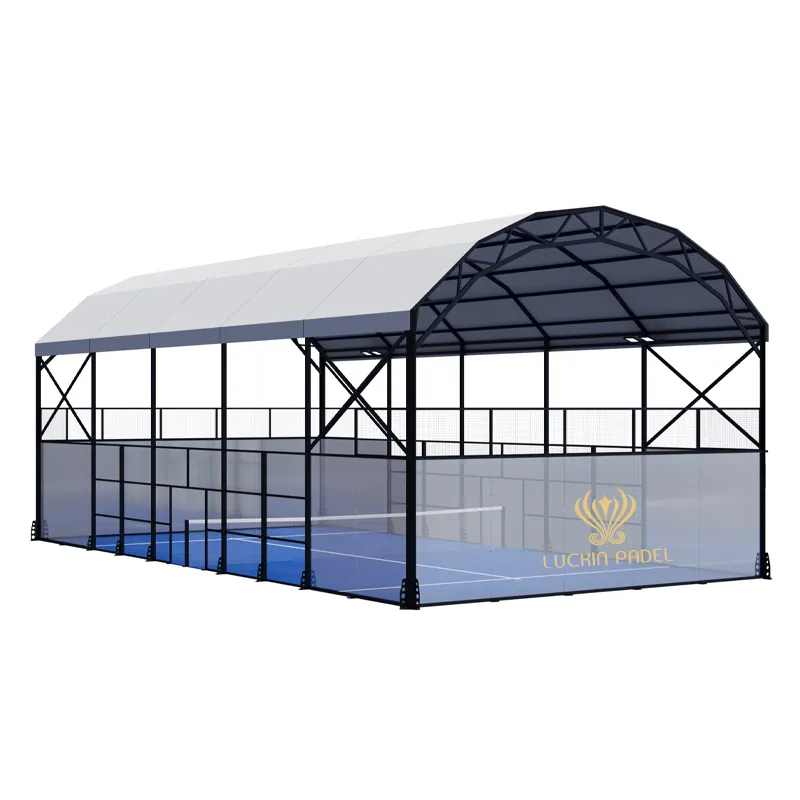
Navigating the Standards of Padel Court Manufacturing
The explosive growth of padel has led to a surge in court construction, but not all infrastructure is created equal. For club owners, investors, and facility developers, selecting the right manufacturing partner is the most critical decision in the project lifecycle. A padel court is a complex assembly of structural steel, tempered glass, and specialized synthetic turf, all of which must withstand intense physical activity and varying environmental conditions. Evaluating the quality standards of a manufacturer requires a deep dive into technical specifications, material certifications, and long-term durability metrics. Quality is not just about the final aesthetic appeal; it is about engineering reliability into every joint, bolt, and fiber, ensuring the facility remains a safe and profitable asset for years to come.
Structural Steel and Corrosion Resistance
The skeleton of a padel court—its steel framework—is the primary indicator of its lifespan. Manufacturers who prioritize quality will strictly adhere to standards involving high-grade carbon steel, which is subjected to rigorous anti-corrosion treatments. In outdoor settings, simply painting the steel is insufficient. Professional standards mandate hot-dip galvanization, where the steel is submerged in molten zinc to provide a sacrificial barrier against rust. This is followed by a high-end powder-coating process, which provides a durable, professional finish. When evaluating potential partners, look for documentation on the galvanization thickness and the quality of the powder-coat adhesion. Frames that show signs of premature oxidation or lack consistent welding quality are significant red flags that will lead to high maintenance costs and potential safety hazards down the road.
Precision Glass Specifications and Safety Protocols
Tempered glass is the defining feature of modern padel, but it is also the most significant safety-related component. A manufacturer’s quality standards must align with international safety certifications, such as the EN 12150 standard in Europe, which dictates how glass shatters under impact. Premium glass is not only tempered for strength but also perfectly flat, ensuring that the ball bounces consistently against the surface without unexpected deviations. During the evaluation process, inquire about the glass manufacturing source and the specific tempering process used. Furthermore, examine the mounting hardware; high-quality manufacturers utilize specialized gaskets and shock-absorbing hardware to isolate the glass from the steel frame. This prevents the transfer of vibrations and structural stresses that would otherwise cause the glass to crack or break during high-impact gameplay.
Synthetic Turf Performance and Longevity
The playing surface is where the player interacts most directly with the court, making turf quality a non-negotiable factor. Standard padel turf is not just carpet; it is a technical surface designed for specific friction coefficients and rotational resistance. Manufacturers who understand professional standards will offer turf that features high-density monofilament fibers, which are resistant to UV degradation and fraying. The quality of the turf backing is equally vital, as it must facilitate rapid water drainage while maintaining its structural integrity under the weight of the sand infill. Poor-quality turf often leads to "bald spots" where the sand shifts, creating dead zones that negatively affect ball bounce. Evaluating a manufacturer involves testing the turf’s tuft lock and fiber resilience, ensuring that the surface will remain plush and functional long after the initial installation.
Engineering Precision and Installation Capability
Quality is ultimately a reflection of manufacturing precision. A court that looks great on paper can become a nightmare if the components do not fit together during the assembly process. Top-tier manufacturers utilize CNC-machined components to ensure that every bolt hole, brace, and bracket aligns perfectly. This level of precision significantly reduces installation time and minimizes the need for site-level modifications, which can compromise the integrity of the protective coatings. Furthermore, professional-grade manufacturing includes comprehensive assembly documentation and engineering support. When evaluating a supplier, consider their history of successful installations and the robustness of their technical support. A partner who provides detailed, clear, and logical assembly guidelines demonstrates a commitment to the end user's success rather than just the initial sale.
Partnering for Long-Term Athletic Excellence
Selecting a manufacturer is a strategic investment in the future of a sports facility. The technical requirements of padel demand a partner who treats the court as an engineered system rather than a collection of parts. Luckinpadel excels in this regard by integrating industrial-grade raw materials with highly controlled, high-precision manufacturing processes. By maintaining strict oversight over every stage of production—from the raw steel treatment to the final quality testing of glass and turf components—Luckinpadel ensures that facility owners receive infrastructure that is consistent, safe, and built for professional-level performance. Leveraging the manufacturing capabilities and supply chain expertise of Luckinpadel allows club owners to mitigate the risks associated with court construction. Choosing a partner who values technical transparency and structural perfection is the most effective way to guarantee that a padel project succeeds as both an athletic venue and a durable business asset.