 EN
EN

The Explosive Growth of Padel in Sports Clubs
Padel has transitioned from a niche leisure activity to the fastest-growing racquet sport globally, fundamentally altering how modern sports clubs plan their infrastructure. Clubs that previously focused almost exclusively on tennis or squash are rapidly reallocating space to accommodate padel courts, driven by clear data on member demand and facility utility. This shift is not merely a trend; it is a calculated response to the sport’s unique demographic appeal. Padel combines the tactical depth of tennis with the social accessibility of doubles play, creating an environment where skill gaps between partners feel less restrictive. For club managers, the decision to install a padel court is a powerful strategy to increase membership engagement, improve facility utilization rates, and attract a broader age demographic that values both fitness and community interaction.
Technical Accessibility and Playing Dynamics
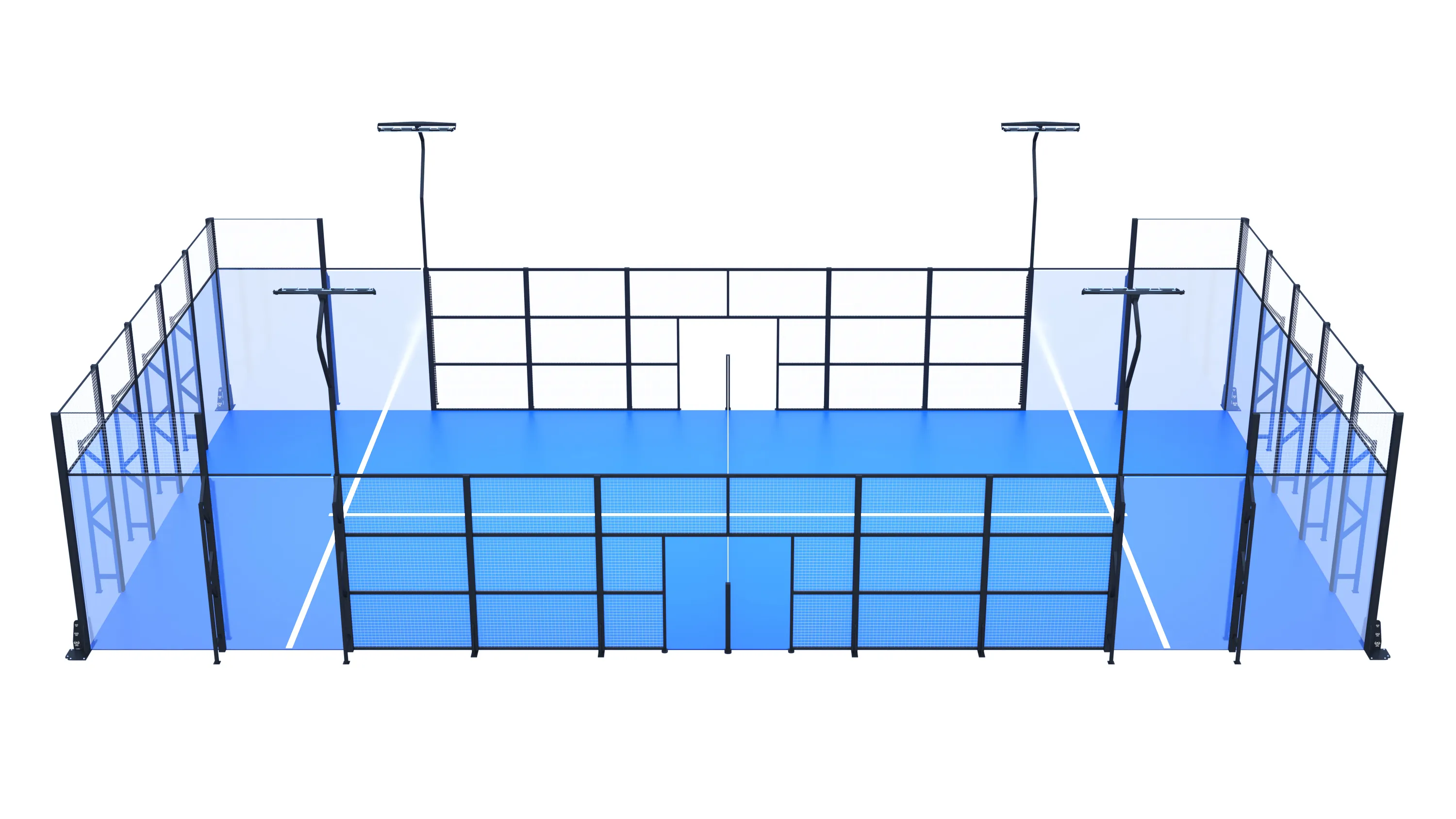
The primary reason for padel’s rapid adoption in sports clubs is its lower entry barrier compared to traditional racquet sports. Padel is played on a court roughly 25% smaller than a tennis court, enclosed by glass and wire mesh, which keeps the ball in play longer and minimizes the frustration of constant resets. This design encourages long, high-energy rallies that are fun from the very first session. Expert observations consistently point out that new players can learn the basics of serving and scoring within minutes, leading to immediate satisfaction. By offering a sport that is physically demanding yet easy to grasp, clubs significantly increase the likelihood of member retention. The integration of high-quality glass and technical turf ensures that the playing experience remains consistent, professional, and safe, fostering an environment where members feel motivated to return for weekly matches.
Maximizing Facility Revenue and ROI
From a business perspective, padel courts offer an unparalleled return on investment for sports facilities. The compact footprint of a padel court allows clubs to optimize space that might otherwise be underutilized. In many cases, a single tennis court footprint can host two to three padel courts, effectively doubling or tripling the potential court-time revenue. Furthermore, padel is inherently a four-player game, meaning the total "user-per-hour" metric is significantly higher than single-player or dual-player alternatives. This constant rotation of players ensures that the club remains a hive of activity, driving secondary revenue streams such as beverage sales, equipment rentals, and specialized coaching sessions. Clubs that strategically add padel facilities are finding that they can command premium peak-time rates, further solidifying the sport's position as a cornerstone of modern sports club profitability.
Fostering Community and Social Connectivity
Beyond the technical and financial aspects, padel is an exceptionally social sport. Modern sports clubs function as community hubs, and padel acts as a catalyst for social networking and club spirit. Unlike the solitary focus of some gym activities, padel inherently mandates interaction. The proximity of the players on the court and the necessity of coordination with a partner break down social barriers, making it an ideal choice for corporate events, family outings, and after-work recreational leagues. By cultivating a vibrant padel ecosystem, clubs create a sticky environment where members feel connected not just to the facility, but to each other. This social dimension is a major contributor to long-term club loyalty, as members are far less likely to cancel memberships if they are embedded in a consistent, friendly, and active social group.
Sustainability and Long-Term Durability
As sports clubs become more conscious of their environmental impact and maintenance costs, the demand for durable, high-quality infrastructure has reached an all-time high. A padel court is not a short-term project; it is a long-term asset that must withstand heavy traffic and diverse weather conditions. Building a court that remains functional and visually appealing requires high-end materials—tempered glass for safety, reinforced steel frames for structural integrity, and high-performance synthetic turf for longevity. Clubs that invest in premium-grade specifications avoid the frequent, costly repairs associated with lower-quality builds. When the facility is constructed with high-grade components that resist rust, cracking, and fading, the maintenance schedule becomes predictable and manageable, allowing the club to focus on its primary goal: providing an exceptional athletic experience for its members.
Excellence in Manufacturing and Supply
The success of any padel-focused expansion relies heavily on the quality of the engineering and manufacturing behind the court. Precision components are non-negotiable when building a facility intended for high-intensity use. Luckinpadel specializes in the technical execution of these projects, offering a deep understanding of structural demands, material performance, and the specific needs of modern sports clubs. By providing high-specification steel structures, certified tempered glass, and professional-grade turf solutions, Luckinpadel ensures that clubs receive infrastructure that is as durable as it is attractive. Relying on an experienced manufacturing partner allows club owners to navigate the complexities of court installation with certainty. This commitment to manufacturing excellence ensures that every court built stands as a testament to quality, safety, and a deep appreciation for the game of padel.