 EN
EN

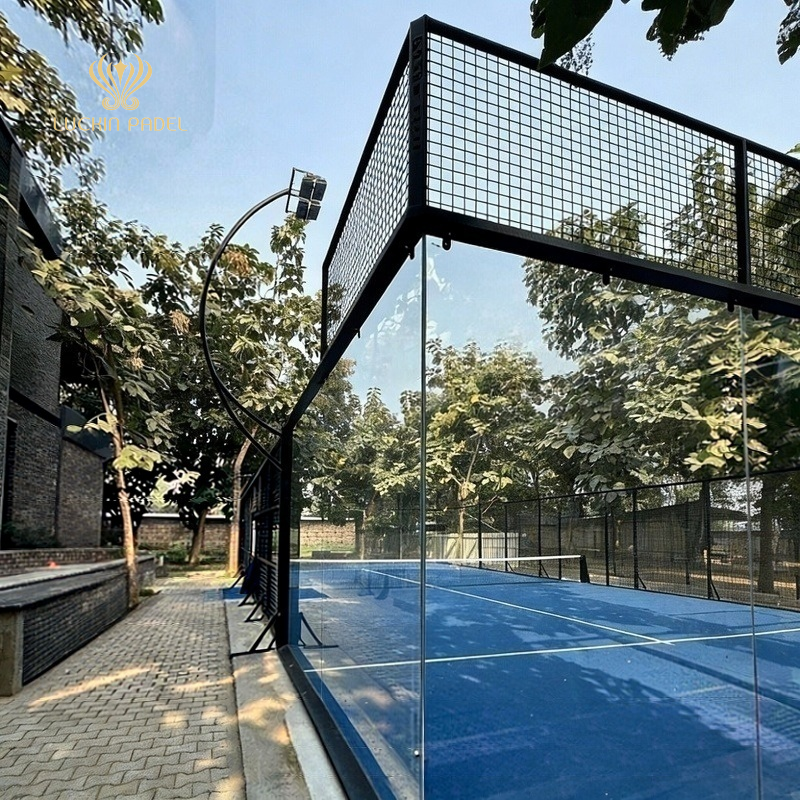
Repairing Artificial Turf Damage on a Padel Court
Fixing rips, tears, and seam lifting in padel court turf
Fix those rips and tears as soon as possible by grabbing some synthetic adhesive backing along with turf patches made from similar fibers to what's already there. When dealing with seams that start coming apart, give the whole area a good cleaning first before putting on new industrial strength seam tape. While that tape is drying, go ahead and hammer in some galvanized U-pins to hold down any loose bits around the edges. Don't wait too long to tackle these problems because small fixes today can save a lot of headaches (and money) later on when what started as just a little damage turns into something much bigger and more expensive to repair.
Restoring flattened fibers and redistributing sand infill
Revive compressed turf fibers using powered rotary brushes in crisscross patterns to restore resilience, ball bounce consistency, and player traction. During redistribution, add fresh silica sand incrementally—typically 5–10% of original volume annually—to offset displacement. A well-maintained infill layer sustains moisture resistance, shock absorption, and fiber longevity.
When full turf replacement is necessary: signs and standards
Consider complete replacement when encountering these critical indicators:
- Widespread fiber degradation exceeding 40% of surface area
- Permanent base layer deformation causing drainage failure
- Recurring seam separation despite repeated repairs
Industry standards require replacement when turf thickness falls below 8 mm—a threshold linked to compromised player safety. Professional assessment determines whether localized patching suffices or full resurfacing aligns with international padel court specifications.
Restoring Glass and Fence Integrity for Safe Padel Court Operation
Securing loose panels and replacing cracked glass safely
When glass panels become loose, they present serious safety concerns. This usually happens because of thermal expansion issues or when installed incorrectly in the first place. To fix this problem, it's best to tighten those mounting brackets with weather resistant fasteners which helps bring back some much needed stability. Any glass that shows cracks should definitely be replaced instead of trying to patch it up. Even tiny hairline fractures can weaken the whole structure over time. For folks looking for something stronger, polycarbonate options stand out since they resist impacts about twice as well as regular tempered glass without sacrificing clear visibility. Never try doing this kind of work yourself though. Getting someone who knows what they're doing makes all the difference. Most problems come back later precisely because people didn't hire qualified professionals initially. And finally, make sure whatever panels get installed meet EN 12600 safety requirements. These standards help guarantee protection against breakage even during intense activity where things might hit them hard.
Tightening or replacing missing bolts and inspecting post stability
Keeping fences standing strong starts with regular attention to those bolts holding everything together. Monthly checks with properly calibrated wrenches should be part of routine maintenance. When finding missing or rusty bolts, always swap them out for galvanized steel ones. Don't forget to coat the threads with some anti-seize compound too — it really helps prevent future corrosion problems. Watch for signs that posts might be getting unstable. If fences start leaning visibly (more than about three degrees counts!) or if cracks appear in the concrete footings, there's action needed. Injecting epoxy into weak foundation areas works well, or sometimes helical anchors can stabilize things when they're just not holding anymore. About half of all fence failures actually come down to bad post conditions. That's why checking the soil stability around base areas makes sense, particularly following periods of heavy rain when ground conditions change so dramatically.
Maintaining Surface Integrity: Cracks, Holes, and Drainage on a Padel Court
Repairing cracks and holes to maintain player safety and surface preservation
Surface cracks and gaps aren't just eyesores they actually pose real tripping risks when moving sideways across them and mess up how balls bounce predictably. Fixing these issues should start with clearing out all the dirt and grime first, then applying those special acrylic resurfacing products available at hardware stores. Getting things level requires some careful work with proper tools though. When dealing with deeper holes over about 3 millimeters thick, most pros recommend doing multiple layers of fill material to maintain strength underneath. Regular checks every three months or so will catch small problems before they turn into major headaches later on. Studies show that this kind of regular maintenance can cut down on big repair bills down the road by roughly 40 percent, which makes sense when thinking about it since catching issues early always saves money in the long run.
Correcting drainage failures and preventing moss and algae growth
Water sitting around because of bad drainage isn't just a nuisance—it’s dangerous too. People can slip and fall, the grass wears out faster, and worst of all, it starts eating away at building foundations over time. To get things working properly again, start by cleaning out all the junk blocking those perimeter drains. Also check that the court still has that right little slope (about half to one percent) so water actually flows off instead of collecting. When puddles keep coming back no matter what we do, sometimes adding extra French drains makes sense. Fill them with clean gravel that's been washed thoroughly. Don’t forget about the green stuff growing everywhere either. Use EPA approved algaecide every three months or so, and give those damp spots a good scrub once a week. This keeps moss from taking over while making sure players don’t lose their footing on slippery surfaces.
Preventing Accelerated Damage Through Proper Padel Court Maintenance
Effective maintenance protocols are crucial for mitigating long-term damage to your padel court. Implement these core practices to preserve surface integrity and safety:
- Turf Care: Brush artificial grass weekly with specialized equipment to redistribute sand infill and lift flattened fibers—preventing compaction and sustaining consistent ball bounce.
- Drainage Management: Clear debris from drainage channels monthly. Standing water accelerates turf degradation and creates slippery hazards; correcting drainage failures immediately is essential.
- Surface Inspections: Conduct bi-weekly checks for cracks, loose seams, or worn areas. Early detection prevents costly repairs—sports facility safety audits link damaged surfaces to a 70% increase in injury risk.
- Usage Policies: Prohibit non-playing activities like dragging equipment across the court. Improper footwear and pressure washing account for 45% of premature surface damage.
A documented maintenance schedule reduces long-term ownership costs by 30–50% compared to reactive repairs. Consistent care ensures optimal playability while protecting your investment against accelerated deterioration.
FAQ
How do I know when to replace the turf on my padel court?
Replacement is necessary when fiber degradation exceeds 40% of the surface, there is permanent base deformation, or recurring seam separation occurs. Also, if turf thickness falls below 8 mm, it's time for replacement.
Can I replace cracked glass on the padel court myself?
No, it's recommended to hire qualified professionals to replace cracked glass to ensure it meets all safety standards and correctly addresses potential issues.
Why is drainage management important?
Effective drainage management prevents standing water, which accelerates turf degradation, creates slippery hazards, and can damage foundations over time.
What maintenance schedule should I follow to prevent damage?
Your padel court should undergo weekly brushing, monthly drainage clearing, bi-weekly surface inspections, and adhere to strict usage policies to prevent damage.