 EN
EN

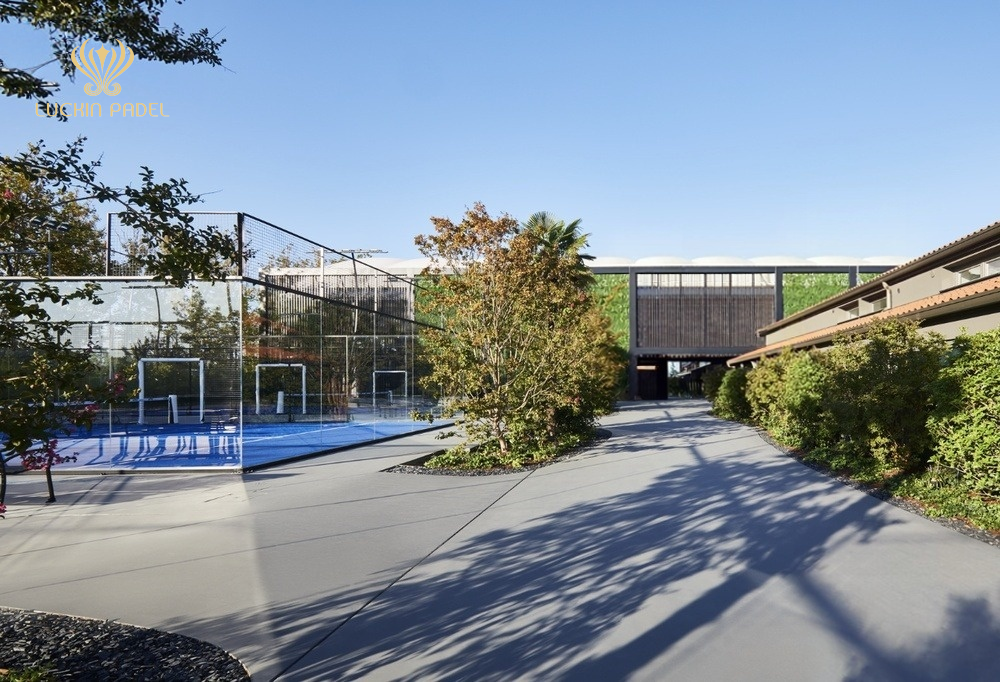
Optimizing Padle Tennis Court Surfaces for Performance and Joint Safety
Synthetic Turf vs. Acrylic vs. PU: Impact on Ball Rebound Consistency and Shock Absorption
The type of surface used in padel tennis has a major impact on how balls behave during play and also affects player safety. Synthetic turf surfaces filled with silica sand give pretty consistent ball bounce characteristics, with vertical deviations staying below 5%. These surfaces also manage to absorb around half of the impact forces thanks to their layered construction. In contrast, acrylic hard courts are known for their fast, predictable bounce which makes them great for serious competition, but they pass along almost all the stress to players' joints since there's little cushioning effect. Polyurethane systems strike a middle ground somewhere between these extremes. They allow for adjustable bounce heights and cut down on impact forces by about 40 to 60 percent because of special polymer materials that both stretch and spring back. Research into player biomechanics indicates that athletes suffer roughly 30% fewer ankle injuries when playing on synthetic turf compared to acrylic courts. This statistic explains why many sports facilities now prefer turf installations when looking after the long term health of their players.
How Surface Energy Return and Compression Modulus Reduce Ankle and Knee Load
The way surfaces handle energy return and compression modulus really affects how much stress gets put on our lower bodies when we move sideways. When surfaces offer good energy return around 60 to 70 percent, athletes can push off efficiently without their joints bouncing back too much. At the same time, surfaces with low compression modulus values below about 15 MPa deform just enough to absorb some of those harsh impacts. Together these two features cut down on peak knee loading by somewhere between 25 and 40 percent compared to hard concrete or asphalt. What happens during quick stops matters too. Softer surfaces actually extend the time feet stay planted against the ground by roughly 15 to 20 milliseconds. This gives muscles more time to take the brunt of the force instead of letting all that pressure build up in ligaments and tendons. According to injury reports from last year's International Padel Federation monitoring system, sports facilities that incorporate both these characteristics see about a quarter fewer cases of patellar tendon problems among players.
Enhancing Padel Tennis Court Perimeter Safety and Structural Integrity
ASTM-F1292–Compliant Run-Off Zones and Impact-Absorbing Edge Systems
When it comes to perimeter safety around sports fields, the first step is creating those ASTM F1292 compliant run off zones that should extend about 3 meters past the actual playing surface. Studies show this simple measure cuts down on impact injuries by roughly 40% when compared to setups that don't follow these guidelines. Another important feature is the energy absorbing edge systems made from dual density EVA foam. These help absorb much of the force when players collide with walls, which means less strain on ankles and knees – research indicates up to a 35% reduction in stress. And as of 2024, the new UNE 147201 standard requires all these safety measures plus special corner padding that won't break apart. This helps prevent cuts and other injuries that might happen if someone runs into broken glass panels after a collision.
Climate-Resilient Anchoring and Frame Reinforcement for Humid or High-Wind Regions
Steel anchors coated with zinc-aluminum alloys stand up well against rust in coastal zones or places where humidity stays around 90%. When building in areas with strong winds over 75 km/h, experts suggest several important fixes. First, drive foundation pilings at least 1.8 meters down into solid concrete. Second, install cross bracing with diagonal supports designed to handle wind forces about 50% stronger than what's normally expected. Third, leave small expansion joints (about 5 mm wide) throughout the structure so it can expand and contract safely when temperatures change by as much as 50 degrees Celsius. For sports facilities located in hurricane risk zones, going for EN 1090 certified framing is not optional anymore. These frames have been tested independently, unlike cheaper options which tend to fail far more often during repeated stress tests. The latest data from the 2024 Global Structural Safety Report shows these budget alternatives are roughly 70% more likely to give way under regular pressure cycles.
Advanced Glass, Frame, and Canopy Systems for Weather Protection and Player Security
Tempered & Laminated Glass Innovations: UV Stability, Anti-Shatter Coating, and Glare Reduction
Today's padel courts use sophisticated glazing systems not just for looks but because they make the game safer and easier to see. The tempered glass panels are around 10 to 12 mm thick after going through thermal treatment that makes them about five times stronger than regular glass. This strength matters a lot since balls can fly past 110 km/h during intense matches. Some pretty cool tech has emerged too: special UV layers stop almost all harmful rays while keeping the glass from turning yellow over time. There are also coatings that stick together when something breaks the glass, so no sharp pieces fly around. And then there's the etching process that cuts down glare without making the court look dark or foggy. These glass components work well with the steel frames and drainage channels underneath, which helps keep water from pooling and causing slips. On top of everything sits those polycarbonate canopies that protect against rain and sun without affecting how the ball bounces or moves. According to research published last year in the Sports Facility Journal, courts built with these proper materials cut down injuries by about one third compared to older setups that didn't follow safety standards.
Integrating Smart Monitoring and Maintenance Protocols for Long-Term Padel Tennis Court Reliability
Keeping padel courts in good shape isn't just about fixing things when they break down. With proper maintenance, these surfaces can last well past their usual 4 to 6 year lifespan without compromising safety or how they play. Smart monitoring systems are changing everything for court managers. These systems have tiny sensors built into the surface that watch for signs of wear and tear, spots where the structure might be getting stressed, and whether anchors holding everything together are still secure. What makes this technology so valuable is that it catches problems early on before they become big headaches. For instance, it picks up on drainage issues in wet areas before water starts pooling, detects small cracks forming in frame structures exposed to strong winds, and notices when the infill material gets too compacted to maintain consistent ball bounce. When these smart systems detect something wrong, they send automatic warnings so maintenance crews know exactly what needs attention right away. According to some industry research, this approach reduces unexpected shutdowns by around 30 to 50 percent. Courts that combine these digital tools with regular checkups from experienced technicians tend to perform best overall. Technicians manually test the sensors and fix little damages that even the most advanced algorithms might miss. This combination of tech and hands-on expertise brings down operating expenses by about a quarter in the long run, all while keeping balls bouncing predictably and protecting players from harsh impacts across the entire life of the court.
FAQ
What types of surfaces are used in padel tennis courts?
Padel tennis courts commonly use synthetic turf, acrylic hard courts, and polyurethane systems as surface materials. Each offers different ball bounce characteristics and impact absorption capabilities.
Why is synthetic turf preferred by many sports facilities?
Synthetic turf is preferred because it offers consistent ball bounce and reduces ankle injuries by approximately 30% compared to acrylic courts, promoting the long-term health of players.
What role do energy return and compression modulus play in reducing joint stress during play?
Surfaces with good energy return and low compression modulus help reduce stress on ankles and knees by facilitating efficient push-offs and absorbing harsh impacts during quick movements.
How do smart monitoring systems benefit padel tennis courts?
Smart monitoring systems use sensors to detect early signs of wear and stress, helping to address issues before they become major problems, ultimately reducing unexpected shutdowns and maintaining safety standards.
Table of Contents
- Optimizing Padle Tennis Court Surfaces for Performance and Joint Safety
- Enhancing Padel Tennis Court Perimeter Safety and Structural Integrity
- Advanced Glass, Frame, and Canopy Systems for Weather Protection and Player Security
- Integrating Smart Monitoring and Maintenance Protocols for Long-Term Padel Tennis Court Reliability
- FAQ