 EN
EN

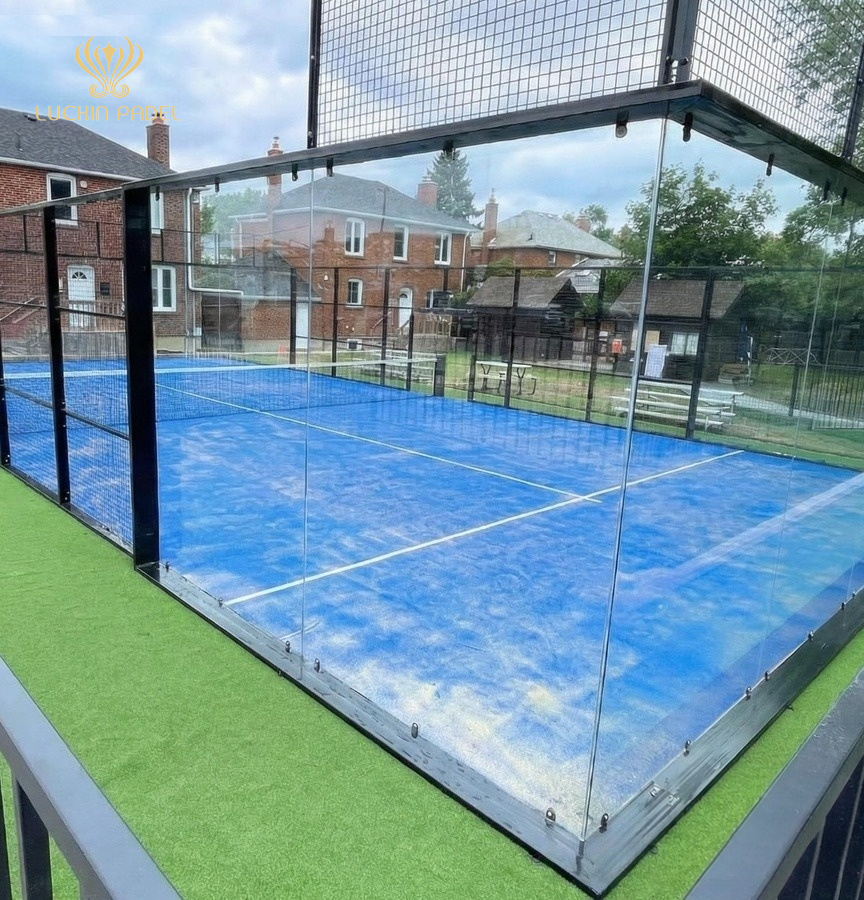
Why Padel-Specific Maintenance Is Essential for Artificial Turf for Padel Tennis Court
Lateral Movement Stress: How Padel Play Accelerates Fiber Compression and Infill Migration
The quick side to side movements in padel put a whole different kind of strain on artificial turf compared to sports that move mostly forward like tennis or running. When players constantly shift laterally across the court, they're actually compressing the turf fibers at around 30% greater speed than someone moving straight ahead. This leads to faster matting of the surface and makes it feel less springy over time. At the same time, all that intense foot traffic pushes the infill material out of place, particularly around those service areas and corner zones. Eventually, this creates bald spots on the court that affect how balls bounce and make footing unpredictable for players. If nobody does anything about it, courts start showing these problems after only about six to eight months of regular games. Weekly maintenance with proper brushing tools (avoid metal ones) helps lift up those flattened fibers and gets the infill back into position where it matters most during matches.
Proactive Preservation: Extending Lifespan by 3–5 Years Through Consistent, Sport-Tailored Care
Good padel court maintenance isn't just something to check off the list once in a while—it's essential if these courts are going to last and stay safe for players. Courts maintained with weekly fiber brushing and every other month infill leveling keep their bounce, grip, and overall structure much better than places that just follow basic cleaning schedules. When facilities skip this specialized attention, fibers get crushed and the ground underneath gets packed down over time, which leads to early court breakdowns. The numbers back this up too: courts getting proper sport-specific care tend to need replacing about 40% less often, stretching out their useful life well beyond a decade. Plus, these maintenance practices actually help maintain the exact performance characteristics that matter most—impact cushioning and surface grip levels—that meet both FIP requirements and the ASTM standards for sports flooring.
Optimizing Sand Infill for Performance and Longevity
Redistribution Techniques to Ensure Uniform Ball Bounce and Surface Stability
The movement of infill material happens naturally when playing padel on courts due to all that foot traffic and ball impact. What matters most though is making sure it stays evenly spread out over time. We recommend dragging those maintenance mats through busy spots roughly every four to six weeks, especially near where players serve and by the net posts since these areas get hit hardest. If there are patches showing through the surface where the sand depth drops below about one centimeter thick, it's time to add more infill right away. Waiting too long can lead to problems like exposed court fibers breaking down from sunlight and faster overall wear on the playing surface. Before doing any redistribution work, take care to clear away leaves, dirt, and standing water first. This simple step makes a big difference in how well the court performs day after day.
Quartz vs. Silica Sand: Drainage Efficiency, UV Resistance, and Player Safety Implications
When it comes to padel court surfaces, quartz sand beats regular silica sand in three important ways that matter most to players and facility managers alike. The shape of quartz grains makes all the difference. Unlike angular silica particles that pack together tightly, quartz has those naturally rounded edges which means it resists getting packed down about 40% better. This keeps water draining properly even when there's been a big storm. And here's something interesting about sun exposure too. Quartz gets this special polymer coating that really helps protect against UV damage. Independent tests show this coating cuts down on material breakdown by around 90% over five years according to standard testing protocols. Safety is another big factor. Players sliding across quartz courts experience far less friction because of the smooth surface texture. Silica tends to form those sharp corners that create uneven spots where people can slip or twist ankles. Both sands start with similar amounts needed initially, around 2 to 3 pounds per square foot. But quartz lasts longer between maintenance checks since it doesn't migrate away as quickly. Facilities that get heavy use throughout the year find they need to replenish quartz infill about 30% less frequently than with traditional silica options.
Routine Cleaning & Grooming Protocols for Artificial Turf for Padel Tennis Court
Sweeping and Brushing Best Practices to Prevent Matting and Maintain Fiber Uprightness
Getting rid of leaves, dirt and all that junk on a daily basis using stiff bristle brooms or turf rakes helps stop compression issues in those busy spots around service boxes and baseline corners. Once a week, brush the turf against the grain direction with something that isn't metal. This action actually lifts those flattened fibers and gets the infill redistributed properly across the surface, which keeps balls bouncing consistently and maintains good stability for players. When dealing specifically with synthetic turf, doing cross directional brushing at around 300 to 400 psi works best for getting those fibers back to their normal position without putting stress on the backing material underneath. If there are any organic stains like grass marks, tree sap or food spills left behind, tackle them right away with a simple vinegar solution mixed three parts water to one part vinegar. Avoid using alkaline cleaners since they can damage the polyethylene yarns over time. Courts that get regular maintenance see about 40 percent less fiber fatigue compared to ones that sit untouched, meaning longer playable surfaces and fewer expensive replacements down the road. Before wrapping up any maintenance session, check that the infill depth stays between 20 and 25 millimeters in areas where most wear happens.
Protecting Drainage Integrity and Managing Organic Contamination
Safe Removal of Leaves, Gum, and Biological Stains Without Disrupting Infill or Base Layers
Organic stuff messing up surfaces is actually two problems rolled into one. First, it blocks drainage channels, and second, it speeds up how fast the infill moves around because of all the extra moisture plus microbes getting busy. When cleaning out leaves and debris, stick with plastic or rubber tipped rakes instead of metal ones. Metal can tear fibers and damage the backing material underneath. For stuck on gum, try using dry ice that's super cold (around minus 78 degrees Celsius) to make it brittle enough to break apart gently and then suck it up. Only enzyme based cleaners work safely on biological stains like algae, mold or pet messes. Apply them when temps are between about 15 to 25 degrees Celsius. Don't go scrubbing or pressure washing though since this tends to mess with the infill stability. According to research published in the Sports Surface Journal last year, following these techniques cut down infill movement by roughly 60 percent while keeping drainage working at nearly full capacity for twelve months straight during testing.
Targeted Algae and Moss Control Using EPA-Compliant Fungicides—Timing, Dilution, and Reapplication Guidelines
Shaded court corners where air doesn't circulate well become perfect breeding grounds for algae and moss growth, particularly around net supports and landscape borders. The Sports Safety Council reports these areas create about 37% more slip risks than properly maintained surfaces. For effective control, gardeners recommend applying EPA approved copper based fungicides early morning when the air is still damp above 60% humidity. This timing helps the treatment soak in better before it evaporates away. Mix the solution down to exactly half a percent strength using those calibrated backpack sprayers everyone seems to have lying around these days. Be careful not to let any excess spray drift towards drain openings since chemicals can build up there over time. In places with high humidity levels, a fresh coat every three months works best, though nobody wants to be spraying while kids are actually playing on the courts obviously. Stick with this approach consistently and most facilities see significantly quicker absorption rates, no yellowing of grass blades, and dramatically fewer slips and falls according to maintenance staff across the country.
| Control Factor | Optimal Specification | Performance Impact |
|---|---|---|
| Application Timing | Dawn @ >60% humidity | 73% faster absorption |
| Solution Concentration | 0.5% copper-based fungicide | Zero turf discoloration |
| Reapplication Frequency | Quarterly (humid zones) | 89% slip hazard reduction |
Table: Fungicide protocol efficacy for artificial turf for padel tennis court maintenance
Frequently Asked Questions
Why is regular maintenance necessary for padel courts?
The lateral movements in padel compress turf fibers faster than in many other sports, necessitating frequent fiber brushing and infill leveling to extend turf life and maintain performance.
What is the benefit of using quartz sand over silica sand on padel courts?
Quartz sand resists compression and UV damage better than silica sand, ensuring proper drainage and enhancing player safety with its smoother texture.
How can one address organic contamination without damaging the turf?
Organic debris should be removed with plastic or rubber-tipped tools, while enzyme-based cleaners safely address biological stains without disrupting the infill or base layers.
Table of Contents
- Why Padel-Specific Maintenance Is Essential for Artificial Turf for Padel Tennis Court
- Optimizing Sand Infill for Performance and Longevity
- Routine Cleaning & Grooming Protocols for Artificial Turf for Padel Tennis Court
- Protecting Drainage Integrity and Managing Organic Contamination
- Frequently Asked Questions