 EN
EN

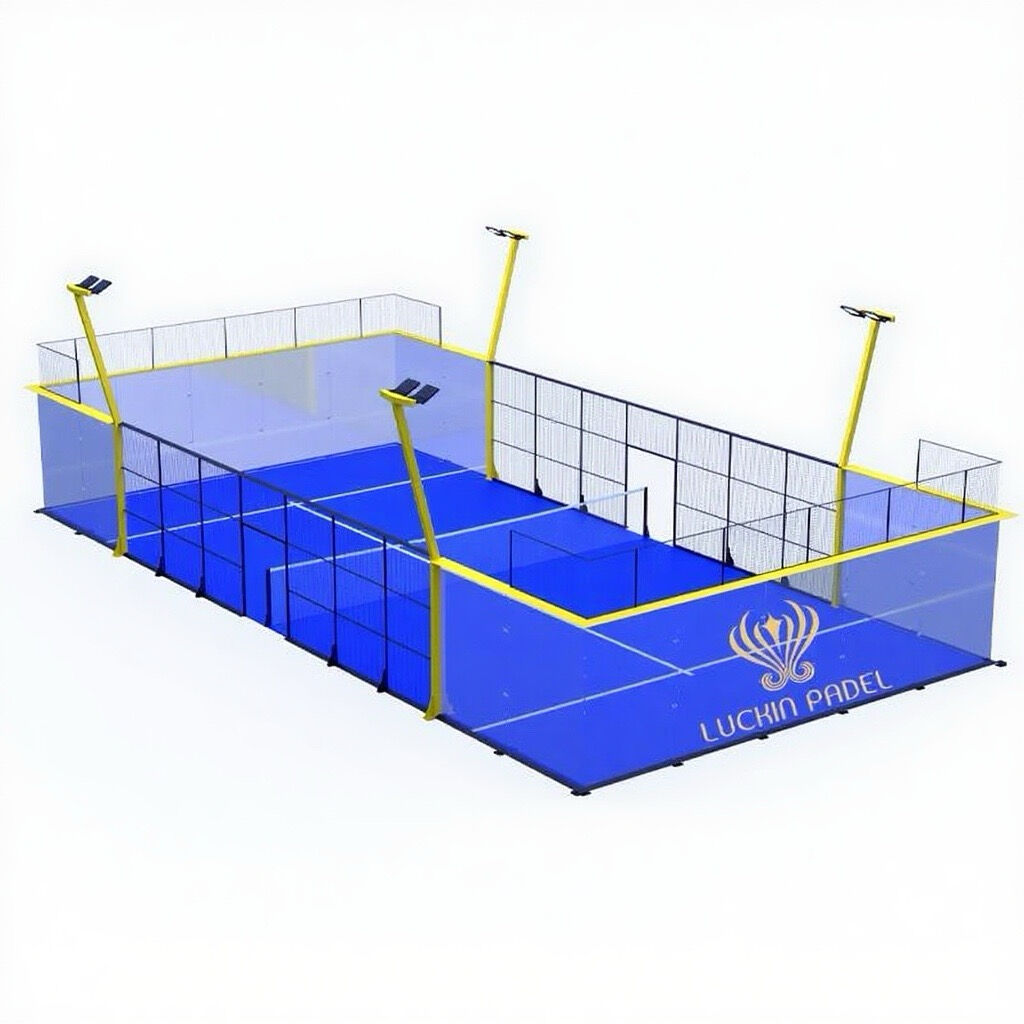
Rapid Deployment: How Portable Padel Courts Enable Pop-Up Sports Events
From Festival Grounds to Rooftops: Real-World Pop-Up Installations
Portable padel courts turn forgotten spots into quick sports setups anywhere from busy beaches during tourist season to city rooftops turned into summer game zones. Event planners really take advantage of how easy these courts can move around. At music festivals they pop up between stages, and companies suddenly find their parking lots transformed into tournament areas for staff fun. These installations don't need any digging or permanent stuff stuck in the ground, so whatever space they're placed on stays exactly as it was before setup. And this flexibility actually makes money too. Beachfront businesses have seen their profits jump about 25% when they bring in these temporary courts according to recent reports from coastal recreation experts in 2024. What's great is that one court can switch from casual afternoon games to serious evening competitions, getting used by totally different groups throughout the day without needing extra equipment or space.
Modular Design and Tool-Free Assembly: Achieving Setup in Under 72 Hours
The engineering behind portable padel courts prioritizes speed: interlocking composite panels with standardized connectors enable assembly by four personnel without specialized tools. A typical configuration unfolds from transport to playable court in under 72 hours—45% faster than conventional installations, according to modular construction benchmarks. Key components include:
- Pre-tensioned net systems, mounting in under 90 minutes
- Self-leveling base plates, accommodating up to 15° terrain gradients
- UV-stabilized polymer walls, slotting together via tongue-and-groove joints
Time is money when it comes to events that move locations every day, like those corporate retreats we all dread. Take the 2023 Barcelona Sports Expo as an example. The team there managed to put up two demo courts in around 40 something hours even though they had to deal with some unexpected rain. What makes this possible? Well, the design cuts out all those usual headaches. No waiting for concrete to dry, no calling in expensive equipment crews. And get this - these courts actually work pretty well on different surfaces too, whether it's regular pavement or tightly packed grass fields, meeting FIFA standards surprisingly enough. Plus, tearing everything down takes almost as little time as setting it up. Just pack everything into regular shipping containers and off they go to another location ready for action again.
Regulatory & Spatial Flexibility: Bypassing Permanent Infrastructure Barriers
Navigating Urban Zoning, Permitting, and Surface Restrictions
The main advantage of portable padel courts lies in their status as temporary structures, which cuts down on permit waiting times when compared to building something permanent. Cities often have complicated rules about where sports facilities can go, particularly if they want to put them somewhere unusual like an old parking lot or rooftop area. A recent report from the Urban Planners Association found that getting permission for these temporary setups happens about 78 percent quicker than going through the whole process for concrete courts. Another plus is how these portable options work around surface issues thanks to special shock absorbing materials that fit right onto whatever surface exists already, whether it's asphalt, synthetic grass, or regular concrete without needing major ground prep work. Event planners love this flexibility because it lets them set up games at places people wouldn't normally think of for sports, such as during music festivals, abandoned industrial areas, or historic neighborhoods where putting up anything permanent just isn't allowed.
Non-Invasive Installation: Protecting Venues Without Structural Modifications
With its tool free assembly design, these systems basically don't mess with the structure of whatever venue they're installed in thanks to those heavy duty bases and pieces that just click together. No need for pouring concrete, drilling holes, or sticking anything into the ground means these temporary padel courts can go up anywhere from old historic spots to busy shopping areas without damaging them. The best part? When it's time to move on, there's nothing left behind that needs fixing up. This matters a lot at places where changes aren't allowed, like protected heritage sites or rented spaces where landlords won't permit alterations. Event organizers love this because studies show maintenance costs drop around 90% compared to traditional setups. Plus, moving the court from one location to another is super quick whether it's across town from a tennis club to a school playground or over to some office buildings all within city limits.
Cost-Efficiency and Multi-Venue Versatility of Portable Padel Courts
Total Cost Comparison: Portable vs. Permanent Court Investment (ROI Timeline)
Portable padel courts save money because they skip all the digging, foundations, and expensive fixed structures needed for regular courts. Building a traditional court can run anywhere from $45k to $80k just for construction costs, but portable options cut down on upfront spending by around half thanks to their modular parts that can be reused again and again. Maintenance is also cheaper year after year since these portable setups use materials that stand up better to weather and repairs are generally simpler. The return on investment happens much faster too. Most portable courts start paying for themselves within 6 to 12 months when used for multiple events throughout the season. Permanent installations usually take between 3 and 5 years before they actually break even financially.
| Cost Factor | Portable Court | Permanent Court |
|---|---|---|
| Initial Installation | $18k–$35k | $45k–$80k |
| Surface Preparation | Not required | $10k–$25k |
| Annual Maintenance | $1.5k–$3k | $4k–$7k |
| ROI Timeline | 6–12 months | 3–5 years |
Indoor/Outdoor Adaptability Across Event Types: Corporate, Educational, and Public
Portable padel courts work really well in all sorts of places without needing any changes to existing structures. They go down on top of concrete surfaces, grassy areas, or inside buildings too, and typically take around two or three days to set up. This means they can sidestep those pesky zoning issues when setting up temporary events in cities. The flexibility makes money-making opportunities everywhere. Companies throw tournaments right on their rooftops these days, colleges get students playing in their big hall spaces, and local governments turn empty parks into active recreation spots for communities. A single portable court might actually end up being used at least eight different spots throughout the year, which is way better than what happens with traditional fixed courts that just sit there doing nothing most of the time.
FAQ Section
What are the main benefits of portable padel courts?
Portable padel courts provide flexibility, quick setup, and significant cost savings. They can turn unconventional spaces into sports venues without permanent modifications, making them ideal for temporary events.
How quickly can portable padel courts be set up?
The courts can be set up in under 72 hours, thanks to their modular design and tool-free assembly process.
Are portable padel courts cost-effective?
Yes, they are cost-effective. They eliminate the need for extensive groundwork and have lower installation, maintenance, and operational costs compared to permanent courts.
Where can portable padel courts be installed?
They can be installed on various surfaces, including rooftops, festival grounds, parking lots, and more, without impacting the existing structure.