 EN
EN

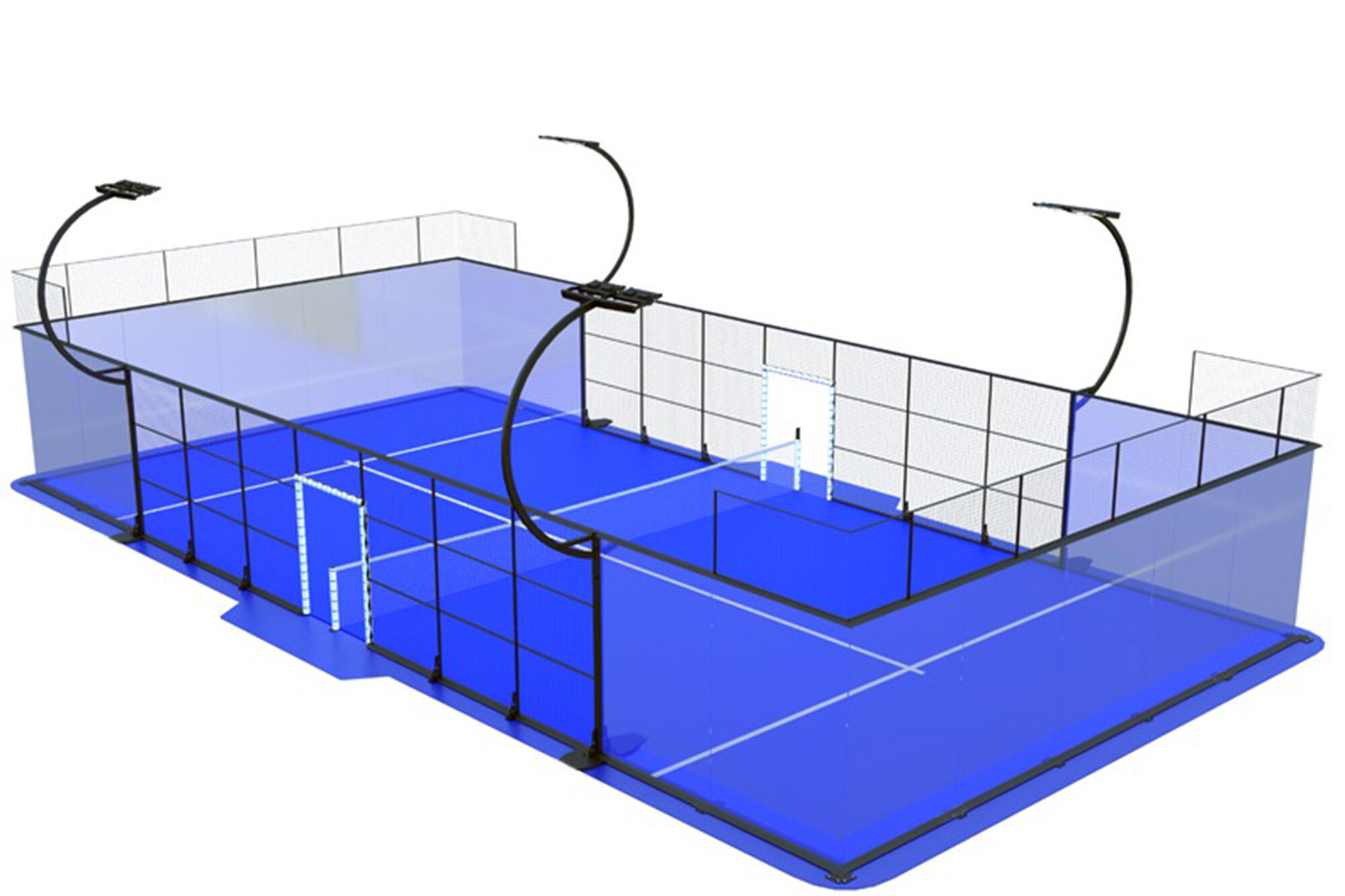
Why Panoramic Padel Court Design Elevates Spectator Engagement and Venue Value
Unobstructed Sightlines: How Full-Glass Enclosures Maximize Viewer Immersion
Glass walls instead of traditional support posts create completely open views all around the court. Fans can watch every fast-paced shot and strategic move without anything getting in their way, which makes them really get into the game. According to data collected by the International Padel Federation, courts with these clear sightlines tend to draw about 18% more people for tournaments. People just feel more connected when they can see everything happening on court, both physically and mentally. That's probably why so many new facilities are switching to this glass design these days.
Commercial Impact: Linking Panoramic Visibility to Membership Retention and Event Appeal
Venues that adopt panoramic designs tend to see better business results overall. Some places have actually reported around a 22 percent increase in members renewing their memberships, mostly because people just enjoy watching from these spots so much more. They bring back regular customers and help attract bigger events too. When spectators can see everything clearly, they stay longer at the venue, buy more tickets for big games, and generally look better on camera for broadcasts. For facilities that get FIP certification for their panoramic improvements, property values typically jump somewhere between seven thousand five hundred to fifteen thousand dollars per court area. This reflects how much nicer the place looks, works better for TV cameras, and becomes more attractive to sponsors looking for good exposure. Sports centers that focus on making sure everyone has clear views also find themselves getting about thirty percent more deals with companies wanting to sponsor them. Brands love this because fans engage more when watching matches on TV or scrolling through social media posts later on.
Tempered vs. Laminated Glass: Safety Compliance, Optical Clarity, and Long-Term Maintenance Trade-Offs
When deciding between 10 to 12 mm tempered and laminated glass, people need to weigh several factors including safety, how clear the glass is, and what makes sense operationally. Tempered glass passes FIP safety tests because it breaks into little pieces that aren't sharp when something hits it hard. This makes it great for places where money matters most, especially when good visibility and predictable ball bounce are important. Laminated glass costs around 20 to 30 percent more upfront, but stays intact after being hit due to that plastic layer inside. This really cuts down on injuries in busy spots or areas where kids play a lot. Both types let through over 92 percent of available light so things look pretty much as they should, although laminated glass needs special care during installation and replacement. Something worth noting is that professional certifications from FIP require at least 12 mm thickness for certain applications.
Panel Engineering: Optimizing Thickness (10–12 mm) and Span Dimensions for Wind Load Resistance and Seamless Visual Flow
Panoramic sports courts need structural integrity that comes from using 12 mm tempered glass combined with galvanized steel supports designed to handle winds up to 120 km/h. This was actually tested and confirmed by TÜV SÜD in their 2023 evaluations. When glass is this thick, it bends less than 1/200th of its span length, so players won't notice any wavy distortions while they're playing. Most standard courts measure around 10x20 meters, and for these sizes, the best horizontal spans shouldn't exceed 4 meters. Frameless corners make this possible, which means no unsightly supports running across the middle of the court. Studies using computer models show that going from 10 mm to 12 mm glass cuts down on those annoying shimmer effects caused by vibrations by about 40%. Courts built this way maintain clear sightlines throughout the game and still meet all safety standards for impact resistance as specified in EN 12600 Class 2 requirements.
Architectural Integration: Aligning Court Layout, Frameless Supports, and Structural Logic with Padel Court Panoramic Goals
Minimizing Visual Obstruction: Post Placement Strategies and Frameless Corner Solutions in Standard 10 × 20 m Courts
Panoramic immersion really starts when structures are placed smartly throughout the space. Standard sized courts measuring around 10 by 20 meters typically position their support posts at least 1.5 meters away from each corner. This positioning keeps these posts out of the main side views and maintains those important diagonal lines of sight covering almost 180 degrees of visibility. Instead of traditional aluminum joints, modern designs now use structural silicone bonding for corners. This creates seamless transitions between tempered glass panels that range from 10 to 12 millimeters thick. The bonding process leaves gaps of about 2 millimeters or less while still passing all necessary safety standards for impacts. What this means is we get buildings that look completely transparent but stay structurally sound too. Players and spectators can see through the entire structure without obstruction, which makes for a much better overall experience. Venues adopting this approach find themselves standing out from competitors because people simply enjoy being there more.
Lighting Strategy for Padel Court Panoramic Environments: Balancing Night Play Functionality and Daylight Integrity
Good lighting for panoramic padel courts needs to do two things at once: let people play well at night while keeping those transparent enclosures looking good during the day. For serious competition, courts should hit around 500 to 750 lux of light. Recreational areas can get by with at least 300 lux, but everyone wants even lighting across the court so there are no shadowy spots where balls disappear. That means maintaining a uniformity ratio above 0.7 throughout the space. Most LED lights hang between six and eight meters up, specially designed with anti-glare lenses rated below UGR 19. These help reduce eye strain for players and stay out of sight when not needed behind glass panels during daylight. When installed outside, the fixtures need to withstand weather with IP66 protection ratings. Smart dimming systems adjust brightness levels automatically depending on whether it's practice time or actual matches, cutting down on electricity costs without making anyone squint. The whole setup preserves the clean look of modern sports facilities while creating safe playing conditions that keep both athletes and fans happy.
FAQ
What are the advantages of using panoramic designs for padel courts?
Panoramic designs offer unobstructed sightlines which enhance viewer immersion and increase the venue's commercial appeal, leading to increased membership retention, event appeal, and sponsorship deals.
What types of glass are commonly used for panoramic padel courts?
Tempered and laminated glass are commonly used due to their safety compliance and optical clarity. Tempered glass is less costly upfront but laminated glass offers added safety by staying intact when hit.
How does glass thickness affect panoramic padel courts?
Thicker glass, such as 12 mm, enhances structural integrity, reduces visual distortions, and maintains safety standards under various environmental conditions.
What lighting conditions are optimal for panoramic padel courts?
Optimal lighting should accommodate both day and night play, maintaining around 500-750 lux for competitions and ensuring even lighting across the court.
Table of Contents
-
Why Panoramic Padel Court Design Elevates Spectator Engagement and Venue Value
- Unobstructed Sightlines: How Full-Glass Enclosures Maximize Viewer Immersion
- Commercial Impact: Linking Panoramic Visibility to Membership Retention and Event Appeal
- Tempered vs. Laminated Glass: Safety Compliance, Optical Clarity, and Long-Term Maintenance Trade-Offs
- Panel Engineering: Optimizing Thickness (10–12 mm) and Span Dimensions for Wind Load Resistance and Seamless Visual Flow
- Architectural Integration: Aligning Court Layout, Frameless Supports, and Structural Logic with Padel Court Panoramic Goals
- Lighting Strategy for Padel Court Panoramic Environments: Balancing Night Play Functionality and Daylight Integrity
- FAQ