 EN
EN

Vurder ingeniørfaglig ekspertise og dokumenteret projekterfaring
Gennemgå færdige installationer og verificerede kundeanmeldelser
At se på færdige projekter giver reel dokumentation for, hvad en producent af padelbaner faktisk kan levere. Bed om cases, der viser baner bygget på steder, der ligner det sted, hvor din bane skal placeres. Kystnære områder kræver beskyttelse mod rust, mens travle faciliteter kræver mere robust konstruktion. Konkrete tilbagemeldinger fra sportsklubber eller ferieanlæg fortæller meget om, hvor hurtigt de installerer og hvilken type support, der gives efter færdiggørelsen af arbejdet. Producenter, der har installeret baner i fugtige eller salte miljøer, beviser, at de kender til håndtering af krævende forhold. Vælg virksomheder, der åbent deler reelle kundehistorier i stedet for blot vagt rosende formuleringer, så potentielle købere selv kan efterprøve disse ydelsesforpligtelser.
Vurder konstruktionens stabilitet: galvaniserede stålrammer, forstærkede glasindkapslinger og FIFA-certificerede græs-specifikationer
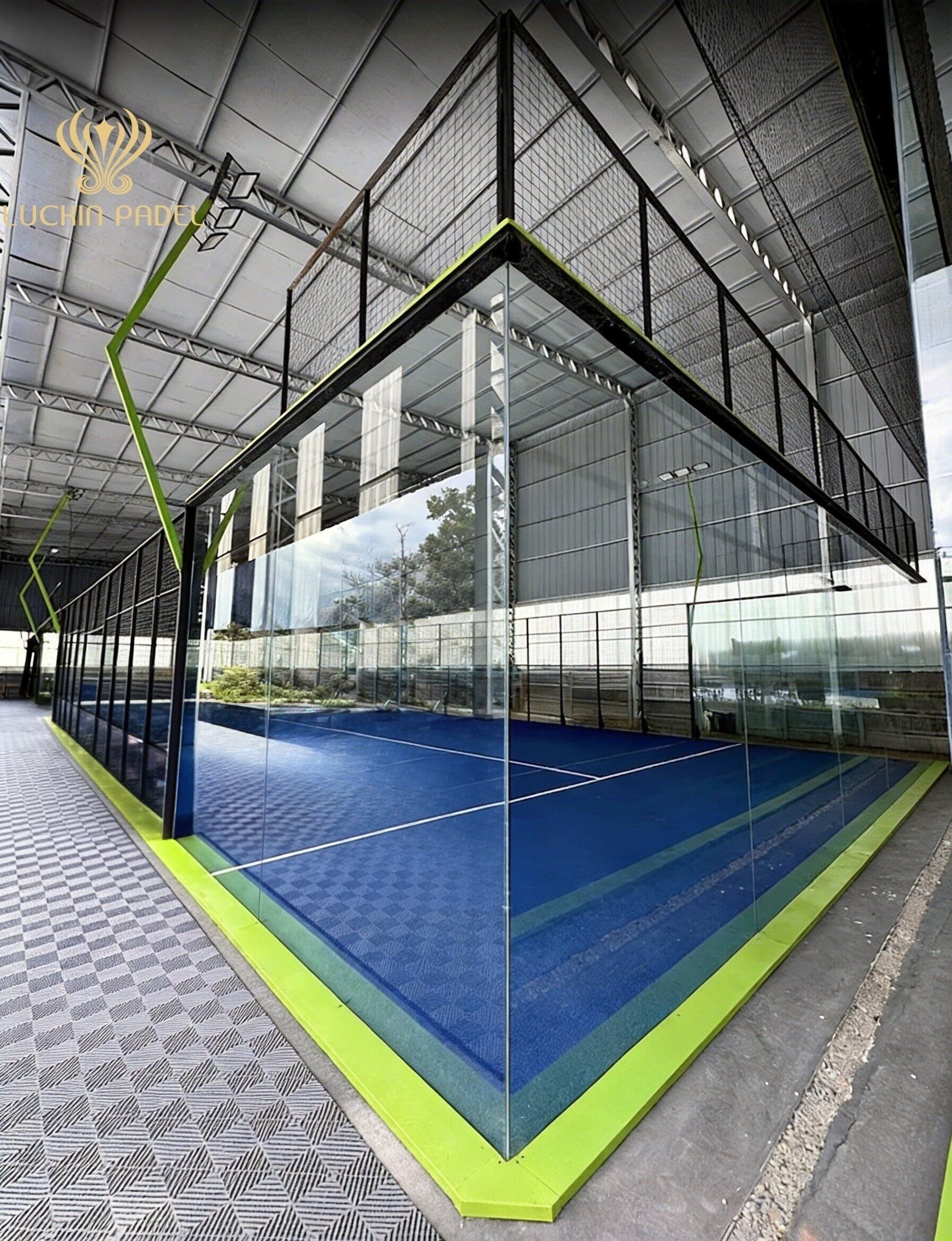
Når det kommer til strukturel holdbarhed, er galvaniserede stålrammer, hvor det hele begynder. Disse rammer tilbyder ca. tre gange bedre beskyttelse mod rust i forhold til almindelige overfladebehandlinger ifølge ISO 1461-standarden. Glasindkapslinger kræver specielle fragmenteringstests, før de godkendes, så de sikrer, at glasset knuses i små, uskadelige stykker, når det påvirkes kraftigt nok. Spilleflader bør have FIFA Quality Pro-godkendelse, da dette betyder, at bolden vil hoppe konsekvent mellem 135 mm og 147 mm højt, samt at der er præcis den rigtige grad af glidhæmning, så spillere ikke glider rundt på banen under kampe. At få disse specifikationer rigtige betaler sig virkelig på lang sigt, da udskiftning af store komponenter senere kan koste næsten to tredjedele af den oprindelige samlede investering. Glem ikke at anmode om certifikaterne for materialeprøvninger! Søg især efter ISO 1461-rapporter vedrørende stålkvaliteten og sørg for at få kopier af FIFA’s officielle certificeringspapirer for hver vigtig komponent.
Bekræft vertikal integration og fabrikkenes produktionskapacitet
På stedet eller fjernaudit af fabrikken: validering af fremstilling af nøglekomponenter i huset
Fabriksrevisioner, enten udført på det faktiske sted eller via passende fjernkontroller, hjælper med at afgøre, om vigtige komponenter såsom galvaniserede stålrammer og forstærkede glaspaneler stammer fra virksomheden selv. Når producenter har fuld kontrol over deres leveringskæde, kan de opretholde strenge standarder for svejsepræcision inden for plus/minus 1 millimeter, spore materialer tilbage til deres oprindelse og sikre ensartede processer på tværs af partier. Virksomheder, der ikke har en vertikal integration, er ofte for meget afhængige af eksterne leverandører, hvilket fører til inkonsekvent produktkvalitet, leveringsforsinkelser og nogle gange konflikter mellem kravene til konstruktion og kravene til overfladebehandling. Enhver, der undersøger disse operationer, bør anmode om dokumentation for reelle produktionskapaciteter, herunder billeder af faciliteter, detaljerede udstyrsinventarer og dokumentation, der viser svejserees kvalifikationer, inden man accepterer eventuelle påstande om integreret fremstilling.
Hvorfor producenter af vertikalt integrerede padelbaner reducerer levertiden med op til 37 %
At have alt under ét tag i vertikalt integrerede operationer reducerer virkelig de frustrerende udfordringer ved koordination af leverandører, der sænker hastigheden. Ifølge Padel Infrastructure Report fra 2023 kan projekter faktisk gennemføres op til 37 % hurtigere på denne måde sammenlignet med situationer, hvor forskellige leverandører er involveret. Når én enkelt virksomhed håndterer alt – fra råmaterialer via fremstilling og overfladebehandling til endelig montering – opnås en meget mere smidig arbejdsgang. Der er ikke længere behov for at sidde og vente på græsleverancer fra eksterne leverandører eller at håndtere forsinkelser fra svejsere, der ikke er en del af det primære team. En anden stor fordel er, at denne opsætning hjælper med at sikre kvalitetsstandarderne gennem hele processen. Der er færre muligheder for fejl, når arbejdet overgives mellem forskellige virksomheder. Det betyder, at FIFA-certificerede græsanlæg opretholder deres specifikationer uden behov for justeringer på stedet senere eller genudførelse af hele sektioner, fordi noget ikke matcher.
Prioritér langvarig support: garanti, installationspålidelighed og service efter salg
Benchmark for strukturel garanti: mindst 10 års dækning som branchestandard
Den 10-årige konstruktionsgaranti er i dag næsten standard inden for branchen og viser rent ud sagt, hvor selvsikre ingeniørerne er på deres design. Garantien betyder i bund og grund, at konstruktioner fremstillet af galvaniserede stålrammer og toughened glas har klaret sig godt under reelle vejrforhold og ved stød over tid. Store navne blandt producenterne støtter disse langsigtede garantier, fordi de bruger komponenter, der opfylder forskellige internationale standarder som ISO 1461 for stålbelægninger, EN 12600 for glaskvalitet samt FIFA Quality Pro-kravene. Det, der gør disse udvidede garantier værd at overveje, er, at de faktisk reducerer de samlede ejerskabsomkostninger med omkring 18 til måske endda 25 procent sammenlignet med kortsigtede alternativer. Denne besparelse opnås primært fordi der er mindre behov for at udskifte beskadigede sektioner, færre uventede reparationer dukker op, og ikke mindst fordi der ikke opstår kostbare afbrydelser i driften.
Sporbar historik for levering til tiden: KPI-analyse af over 50 internationale installationer
Installationssikkerhed bedst vurderes ud fra reviderede ydelsesdata fra mangfoldige globale projekter:
- Levering til tiden : 95 % overholdelse indikerer moden planlægning, lokaliseret logistik og skalerbar produktion
- Responsivitet efter installation : Fjernfejlfinding løser 80 % af tekniske problemer inden for 24 timer
- Driftskontinuitet : Topudbydere sikrer mindre end 72 timers domstolsnedlæggelse ved reparationer
Disse mål indikerer ikke kun udførelseskapacitet – men også en integreret serviceinfrastruktur, herunder regionale tekniske teams og tilgængelighed af reservedele. At prioritere leverandører med denne grad af gennemsigtighed og konsekvens minimerer forstyrrelser under idriftsættelse og sikrer langsigtede driftsmæssig robusthed.
FAQ-sektion
Hvad er formålet med en fabriksrevision?
En fabriksrevision hjælper med at verificere, om nøglekomponenter såsom galvaniserede stålrammer og forstærkede glasplader fremstilles internt, hvilket sikrer et højt niveau af kontrol over kvalitet og ensartethed.
Hvorfor er en 10-årig konstruktionsgaranti standard i branchen?
En branchestandard 10-årig konstruktionsgaranti indikerer tillid til designet og materialernes levetid og sikrer færre uventede reparationer og driftsafbrydelser.
Hvordan forbedrer vertikalt integrerede processer produktkvaliteten?
Vertikalt integrerede processer rationaliserer produktionen, reducerer koordineringsforsinkelser, opretholder konsekvent kvalitet gennem en kontrolleret leveringskæde og sikrer hurtigere projektafslutning.