 EN
EN

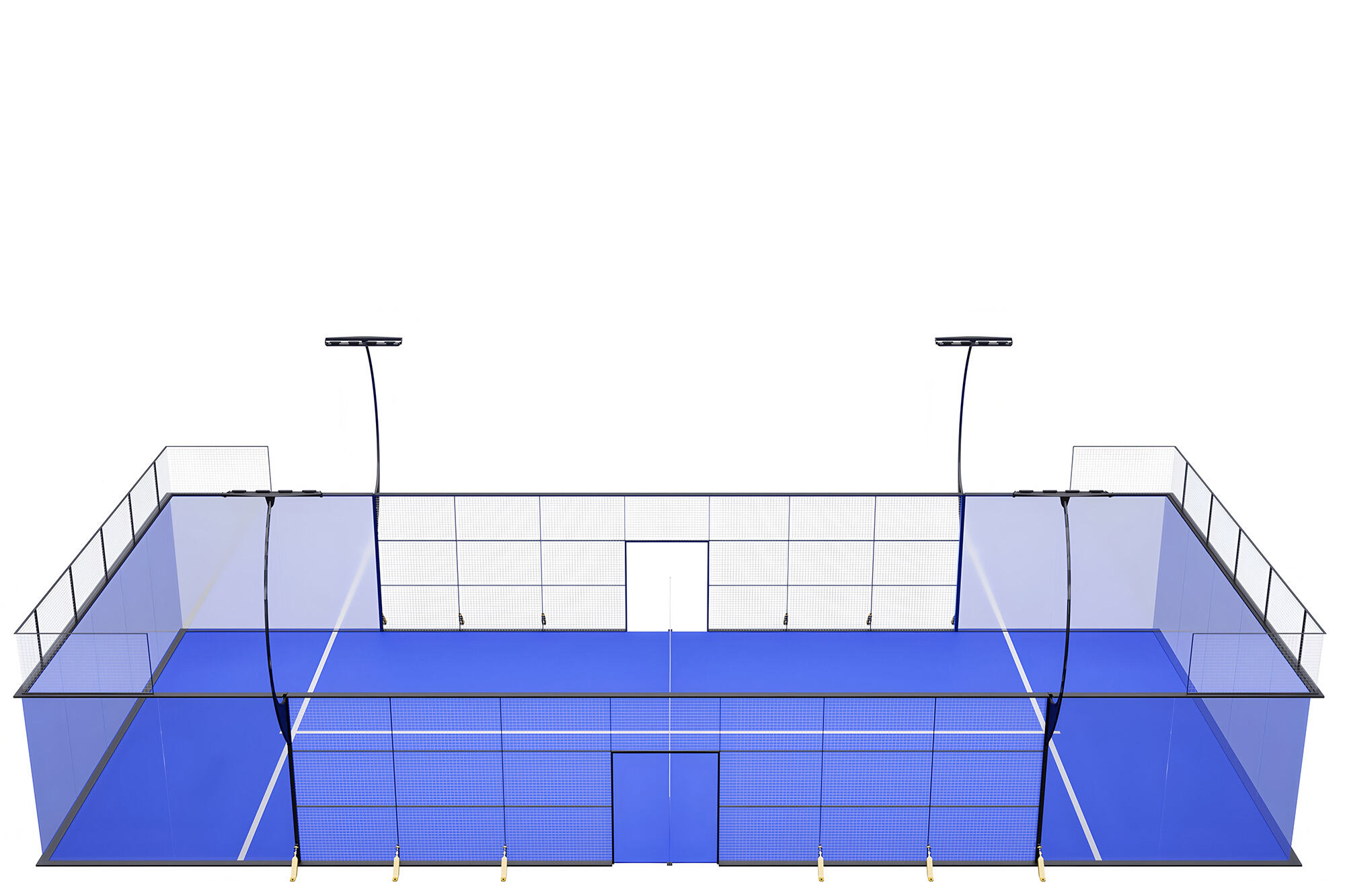
Padel Tennis Court Surface Materials: Durability, Performance, and Lifecycle Value
Polyethylene vs. Polypropylene vs. Nylon Blends: Wear Resistance and UV Stability
When it comes to UV stability, polyethylene really stands out. The material keeps its color intact for around a decade, which is pretty impressive. After undergoing 5000 hours of accelerated weather testing according to ASTM G154 standards, polyethylene still holds about 95% of its original tensile strength. That's actually about 22% better than nylon performs under similar outdoor conditions. Polypropylene takes things further with roughly 30% more resistance to wear and tear, so it works great in areas where people constantly walk or move around, such as service boxes on courts or along baselines. For those looking at shock absorption and overall comfort during play, nylon blends are hard to beat. However, anyone using them in regions with intense sunlight needs to make sure they have proper UV stabilizers built in from the start, otherwise these materials tend to break down quite quickly when exposed to constant sun exposure.
Why Premium Artificial Turf Lowers 15-Year Total Cost of Ownership by Up to 37%
High-density synthetic turf systems reduce long-term expenses through three interdependent advantages:
- Maintenance efficiency: Requires 60% less brushing and leveling than standard surfaces
- Durability premium: Withstands 8+ years of daily play before seam degradation begins
- Weather resilience: Eliminates recurring drainage repairs—costing an average of $740k annually across multi-court facilities (CourtTech 2023)
An integrated sand retention layer prevents infill displacement, extending functional surface life to 12 years while preserving consistent ball bounce, lateral traction, and fiber uprightness.
Structural Foundations and Enclosure Systems for Long-Lasting Padel Tennis Court Integrity
Concrete Subbase Specifications: Load-Bearing Capacity and Crack Prevention
When it comes to building a padel court that lasts, the foundation really makes all the difference. Concrete slabs need to handle serious weight, something like over 3,000 kg per square meter when players are moving around intensely. Getting the right thickness matters too – somewhere between 25 and 30 centimeters works best. Steel reinforcement throughout helps keep things stable, while those carefully placed control joints stop cracks from forming under pressure. We always make sure there's a gentle 1% slope across the surface so water drains properly, which becomes super important in colder areas where freezing and thawing cycles can wreak havoc on surfaces. Letting concrete cure for the full 28 days might seem like a hassle, but it actually cuts down on those annoying shrinkage cracks by about half compared to rushing the process. And before pouring any concrete, checking soil compaction is essential work. Without this step, parts of the court might settle unevenly over time, creating bumps and dips that ruin both the look and feel of gameplay.
Tempered Glass Panels: Safety Compliance, Thermal Cycling Resilience, and Frame Corrosion Mitigation
The 10mm tempered glass walls used here actually go above and beyond what most international sports safety guidelines require. When something hits them hard enough to break, it shatters into small, rounded pieces rather than sharp shards. These walls can handle pretty much any temperature thrown at them from as cold as minus 20 degrees Celsius all the way up to 50 degrees without cracking or warping. For areas near the ocean where salt air eats away at materials so quickly, we use galvanized steel frames covered in three layers of protective coating. This setup really stands up against rust over time. We also make sure stainless steel hardware is used wherever it connects to aluminum parts because those two metals don't play well together otherwise. And every year our technicians check the seals around all the mounting points to keep water out. All these little details combined mean these enclosures typically last well past fifteen years even when sitting out in direct sunlight day after day.
Proactive Maintenance Strategies to Maximize Padel Tennis Court Lifespan
Optimal Sand Infill Management: Density, Depth, and Contamination Control
Consistent infill depth (15–20 mm) and density are essential to prevent turf fiber matting, preserve ball response, and ensure reliable footing. Monthly redistribution using specialized brushes maintains even distribution. Contamination control includes:
- Daily debris removal via leaf blowers
- Quarterly deep cleaning with non-abrasive, pH-neutral solutions
- Immediate post-storm clearing of drainage channels
Facilities adhering to this protocol report 22% less turf replacement over 15 years.
Corrosion Prevention Protocols for Steel Frames, Net Posts, and Fixtures
Marine-grade galvanized steel components demand disciplined, annual inspection cycles. Key interventions include:
- Installing sacrificial zinc anodes on net posts embedded in concrete
- Replacing standard bolts with hot-dip galvanized alternatives
- Applying silicone-based sealants at all glass-to-metal junctions
Courts implementing these protocols reduce structural failures by 40% (Industry Engineering Journal 2023). When systematized across operations, such strategies yield 15–20-year lifespans and cut maintenance budgets by 30% versus reactive repair models.
Lifecycle Planning: Aligning Component Durability with Long-Term Operational Goals
Good lifecycle planning starts right at the design stage when components are matched against what the facility actually needs over time and aligns with broader strategic objectives. Going for materials like UV resistant turf, glass that can handle temperature changes, and steel structures that resist corrosion helps prevent breakdowns before they happen and saves money on expensive fixes down the road. According to industry reports, facilities that take this comprehensive approach typically see around a 30% reduction in their overall costs over two decades, mainly because there's less unexpected downtime and fewer repairs needed. Focusing on lasting reliability through smart material choices and regular maintenance not only keeps players safe but also means courts stay available longer while still delivering good performance year after year without cutting corners on quality.
FAQ
What are the advantages of using polyethylene in padel tennis courts?
Polyethylene is preferred for its UV stability, retaining its color and tensile strength for an extended period, making it ideal for outdoor sports surfaces.
Why choose premium artificial turf for padel courts?
Premium artificial turf reduces maintenance costs, prolongs surface life, and enhances play conditions by offering durable and efficient solutions.
How crucial is the concrete subbase for padel tennis courts?
A properly designed concrete subbase provides critical load-bearing capacity, stability, and crack prevention, ensuring long-term durability.
What maintenance strategies are recommended for padel court longevity?
Regular infill management and corrosion prevention protocols are essential for maximizing the lifespan and performance of padel tennis courts.
Table of Contents
- Padel Tennis Court Surface Materials: Durability, Performance, and Lifecycle Value
- Structural Foundations and Enclosure Systems for Long-Lasting Padel Tennis Court Integrity
- Proactive Maintenance Strategies to Maximize Padel Tennis Court Lifespan
- Lifecycle Planning: Aligning Component Durability with Long-Term Operational Goals
- FAQ