 EN
EN

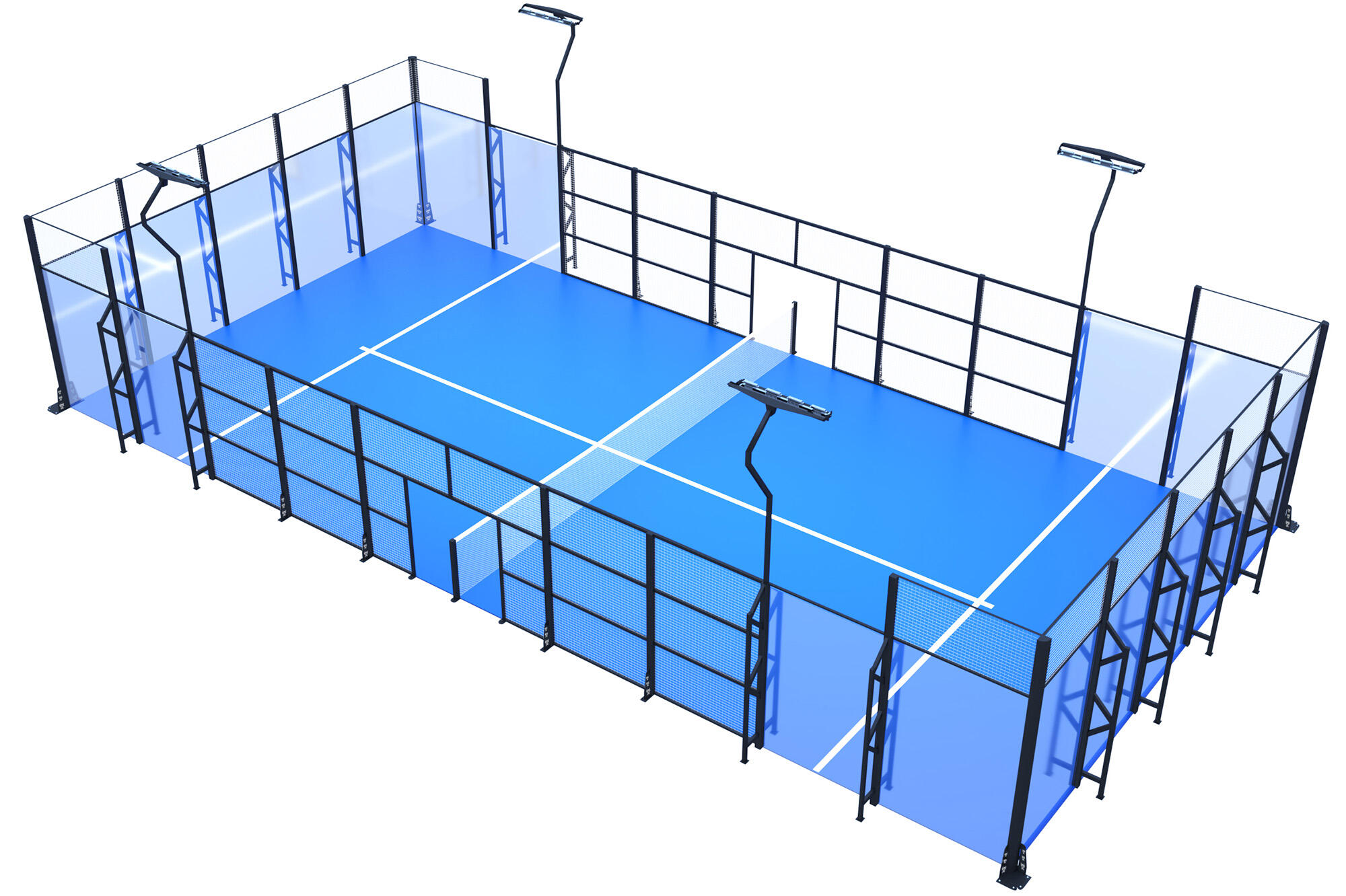
Evaluate Manufacturer Experience and Industry Reputation
Assessing the Experience and Expertise of Padel Court Manufacturers
When looking for a reliable padel court manufacturer, start by checking their technical know-how and how long they've been around in business. Look for companies that have spent at least a decade working specifically on these kinds of projects because that kind of track record usually means they know what works across different weather conditions and skill levels. A good sign is when suppliers have worked on both indoor acrylic surfaces and outdoor turf systems since this shows they can handle whatever local requirements might exist. Don't forget to check for certifications either. The ISO 9001 quality standard and TÜV certification for structural soundness aren't just paper decorations they actually indicate someone else has looked at the company's work and said it meets certain standards.
Evaluating Real Projects and Customer Feedback of Padel Court Suppliers
Real world projects serve as concrete evidence of a company's dependability. Top suppliers typically have portfolios showing over fifty installations spread across different continents, which demonstrates their ability to meet global standards. When evaluating potential partners, check for recurring positive feedback from clients who note that their installations finished around 15 percent quicker than typical benchmarks according to recent sports construction data from 2023. Also worth noting is the fact that most customers report being satisfied with post installation support at rates exceeding ninety percent. These numbers point toward solid operational capabilities. Don't forget to ask for references specifically related to projects that match your requirements both in size and environmental conditions.
Steps to Select a Padel Court Supplier with International Project Experience
- Verify Global Portfolio: Confirm the factory has delivered projects in at least three countries with differing regulatory frameworks.
- Audit Compliance Documentation: Ensure alignment with EU EN 14904 standards for sports surfaces or ASTM certifications for glass walls.
- Assess Local Partnerships: Factories with regional partners streamline logistics and customs clearance, reducing delays in multi-jurisdictional projects.
Choosing a Padel Court Construction Company Based on Qualifications and Track Record
The manufacturer's qualifications need to match what kind of project we're talking about here. When building something for tournaments, look for companies that have worked on FIFA certified installations or partnered with pro leagues before. Good manufacturers typically show around 2% or fewer defects in their parts according to those recent 2024 audit reports, plus they offer at least five years warranty coverage for the main structural pieces. That helps cut down on problems later on. Be careful with any supplier that doesn't want to share clear maintenance schedules or can't tell us how many service calls they actually fixed in the past. Transparency matters when picking partners for big projects.
Analyze Material Quality and Long-Term Court Durability
Court Durability and Materials Used in Trusted Padel Court Factory Constructions
Padel courts that last the test of time typically feature strong steel frames, tough tempered glass walls, and floors designed to absorb impact. When talking about quality materials, look for steel that can handle tension above 450 MPa mark and flooring that should hold up through at least decade of heavy play. Courts with good shock absorption rates between 30 to 50 percent make all difference when playing on synthetic grass or rubber surfaces since players won't get tired so quickly. And don't forget those glass panels either they need to resist UV damage well enough to stay clear for around 90% visibility even after being exposed to about five thousand hours of sunlight.
Comparing Material Quality Among Padel Court Factory Suppliers
| Material | Premium Standards | Industry Average | Cost Impact (5-Year Cycle) |
|---|---|---|---|
| Steel | Galvanized (275g/m² coating) | Powder-coated (80–120μm) | +18% durability |
| Glass | 12mm laminated safety | 10mm tempered | -25% replacement frequency |
| Flooring | FIH-certified hybrid turf | Recycled rubber granules | +33% shock absorption |
| Table 1: Key material benchmarks for padel courts (Source: CMS Material Solutions 2023) |
In-Depth Analysis of Steel, Glass, and Flooring Materials
Steel frames that have been galvanized show really good resistance against rusting, typically losing under 0.1% of their weight after sitting in salt spray for around 1,000 hours. When it comes to glass panels, going with 12mm laminated options cuts down on breakage risks by roughly 62% when compared to regular 10mm tempered glass. For flooring applications, there's this hybrid material made from EPDM rubber bases about 8 to 10mm thick combined with some polypropylene fibers. This mix gives back between 85% and 90% of the energy put into it, which is pretty impressive while still satisfying those FIH standards for surface hardness requirements.
How Material Choices Impact Performance and Maintenance
Poor quality glass results in about three times as many replacements for sports facilities, which typically run between two thousand one hundred and four thousand five hundred dollars per project because tiny cracks develop when balls hit them repeatedly. Courts using epoxy coated steel connections see savings around seven hundred forty dollars each year on maintenance according to Ponemon's research from last year. Looking back at disasters such as what happened in Kansas City in 1981 with the Hyatt Regency hotel shows just how bad things can get when materials aren't up to standard, no matter how good the construction looks initially. The NoaTicket Engineering Report makes it clear that real safety over time depends heavily on choosing materials that won't let us down later.
Verify Compliance with International Standards and Safety Regulations
Compliance with international standards in padel court factory production
Factories that are considered trustworthy usually follow important standards like ISO 9001 when it comes to managing quality, plus they need the CE Mark if they want their products sold in Europe. What these certifications actually mean is better construction that won't fall apart easily, materials that resist rust over time, and courts built to exact measurements. When manufacturers stick to ASTM F2157 rules, they test surfaces thoroughly to make sure people don't slip too much (the friction should be below 0.4 at least) and check how well structures hold up against strong winds, ideally surviving gusts over 100 kilometers per hour. Recent research from last year showed something interesting too - buildings that met all these requirements had about one third fewer accidents happening on them compared to those without proper certification.
Importance of regulatory compliance and safety certifications
Regulatory alignment reduces liability and ensures performance under extreme climates—from tropical humidity to sub-zero conditions. Third-party audited factories, such as those reviewed by TÜV SÜD, achieve 24% faster permitting approvals globally. Critical compliance areas include:
- Electrical system safety (IEC 60364 certification)
- Glass thickness and tempering (EN 12150-1 standard)
- Steel frame anti-corrosion treatments (ISO 9227 salt spray testing)
Recognized certifications to look for when selecting a padel court factory
Prioritize suppliers with multi-standard compliance, including:
- ISO 14001 (environmental management)
- EN 14904 (sports flooring performance)
-
IECEx (explosion-proof lighting for indoor courts)
These credentials confirm a factory's ability to meet global operational, environmental, and safety benchmarks.
Assess Factory Scale, Production Capabilities, and Turnkey Services
Assessing factory scale, in-house production capability, and construction capacity
A factory’s size and vertical integration directly affect quality control and delivery timelines. Vertically integrated manufacturers handling metal fabrication, surfacing, and glass production internally reduce supply chain risks by 63% compared to outsourced models (2024 Sports Infrastructure Report). Key indicators include:
- Annual production volume (200+ courts/year for large-scale readiness)
- Equipment uptime (≥90% indicates reliable operations)
- In-house engineering teams (minimum 10 certified technicians per shift)
- Material storage capacity (6+ months of inventory buffers against delays)
- Certified welding stations (ISO 3834-2 certification ensures weld integrity)
On-site or remote factory inspection for authenticity and professionalism
While third-party audits remain ideal, live video inspections now achieve 89% accuracy in detecting red flags like idle machinery or workflow inconsistencies. Favor factories offering unrestricted access to:
- Raw material QC processes (e.g., steel tensile testing)
- Finished component staging areas (to assess storage practices)
- Worker safety documentation (OSHA-equivalent certifications)
Turnkey solutions for padel court installation: What top factories offer
Top providers deliver full turnkey packages encompassing design consultation, permit acquisition, and FIVB-approved installation crews. According to a 2023 case study, turnkey projects cut administrative overhead by 41% and accelerate completion by 28% compared to fragmented contracting approaches.
Delivery timelines, logistics, and installation support considerations
Regional shipping constraints significantly impact delivery. Factories with dedicated logistics fleets deliver components 22% faster than those using third-party carriers. Require written commitments for:
- Pre-assembly (at least 85% of parts pre-assembled before shipment)
- Weatherproof packaging (IP66-rated protection for electronics and glass)
- On-site technical support (availability within seven days for final adjustments)
Compare Pricing, Warranty, and Overall Value for Investment Protection
Comparing Prices, Material Quality, and Contract Terms Among Padel Court Suppliers
Focus on long-term value rather than initial cost. Reputable suppliers price courts between $20k and $50k (2024 Global Padel Infrastructure Report), with differences tied to material quality. Choose galvanized steel frames (0.4–0.6 mm thickness) over standard alternatives—higher gauge materials reduce replacement costs by 28% over five years. Contracts should clearly define:
- Penalties for missed delivery deadlines
- Responsibility for customs fees
- Guaranteed glass thickness (12±1 mm for sidewalls)
Identifying Hidden Costs and Negotiating Favorable Terms with the Factory
Upfront costs represent only 68% of total ownership expenses. Request detailed line-item breakdowns to uncover:
- Weatherproofing treatment surcharges ($800–$2,200 per court)
- Non-standard foundation preparation ($1.5–$4 per sq.ft)
- Freight insurance for overseas shipments (1.2–3% of FOB value)
Negotiate bundled warranties covering structural components (10+ years) and surface layers (5+ years).
Warranty and After-Sales Service as Key Indicators of a Reliable Padel Court Factory
Suppliers offering ≤5-year structural warranties generate 3.6X more maintenance claims than those with 8+-year plans (2023 Sports Facility Management study). Prioritize companies that provide:
- Technical support response within 48 hours
- Regionally stocked spare parts
- Free post-installation vibration calibration
Ensuring Long-Term Usability Through Maintenance Support and Service Guarantees
Over 78% of padel court owners report drainage issues within 18 months. Confirm your supplier offers:
- Annual inspection protocols
- Scheduled UV-protection recoating for artificial turf
- Modular replacement options for damaged glass panels
Key Takeaway: A 5%-10% higher initial investment in a verified padel court factory typically reduces 10-year ownership costs by 34% through extended durability and proactive maintenance support.
Frequently Asked Questions
What certifications should I look for in a padel court manufacturer?
Look for certifications like ISO 9001 for quality management, CE Mark for European sales, and ASTM standards for sports surface testing.
How can I ensure material quality and durability in padel court construction?
Choose materials that meet high standards such as galvanized steel for rust resistance, 12mm laminated glass for safety, and FIH-certified flooring for shock absorption.
What are turnkey solutions in padel court installation?
Turnkey solutions include design consultation, permit acquisition, and expert installation, reducing administrative overhead and accelerating project completion.
Why is regulatory compliance important in choosing a padel court supplier?
Regulatory compliance ensures safety, durability, and reduced liability, while speeding up permitting approvals globally.
Table of Contents
-
Evaluate Manufacturer Experience and Industry Reputation
- Assessing the Experience and Expertise of Padel Court Manufacturers
- Evaluating Real Projects and Customer Feedback of Padel Court Suppliers
- Steps to Select a Padel Court Supplier with International Project Experience
- Choosing a Padel Court Construction Company Based on Qualifications and Track Record
- Analyze Material Quality and Long-Term Court Durability
- Verify Compliance with International Standards and Safety Regulations
-
Assess Factory Scale, Production Capabilities, and Turnkey Services
- Assessing factory scale, in-house production capability, and construction capacity
- On-site or remote factory inspection for authenticity and professionalism
- Turnkey solutions for padel court installation: What top factories offer
- Delivery timelines, logistics, and installation support considerations
-
Compare Pricing, Warranty, and Overall Value for Investment Protection
- Comparing Prices, Material Quality, and Contract Terms Among Padel Court Suppliers
- Identifying Hidden Costs and Negotiating Favorable Terms with the Factory
- Warranty and After-Sales Service as Key Indicators of a Reliable Padel Court Factory
- Ensuring Long-Term Usability Through Maintenance Support and Service Guarantees
- Frequently Asked Questions