 EN
EN

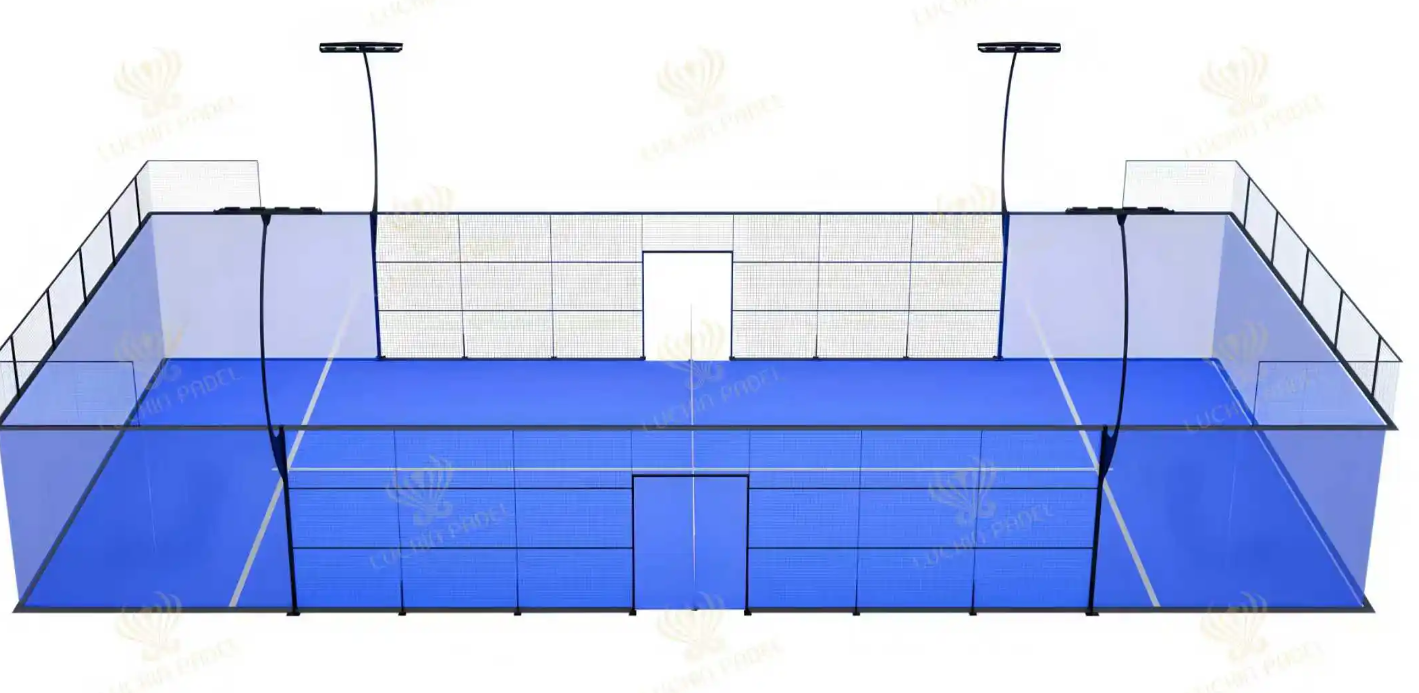
Understanding the Core Components of the Cost of Building a Padel Court
Key Cost Drivers in Padel Court Construction
When it comes to constructing a padel court, there are basically four main things that determine the overall price tag. First up we have materials which typically take up around half of what people end up spending. Then there's labor costs accounting for roughly a fifth to a third of the budget. Getting the site ready properly adds another 15 to 25 percent to the bottom line, while dealing with all those pesky regulations eats away about 5 to 10%. Materials like reinforced glass walls, synthetic grass playing surfaces, and energy efficient LED lights tend to be where most money gets spent. Some high end courts in big cities across America can easily run past the hundred thousand dollar mark. Labor prices show quite a difference too. Contractors working in Europe generally ask for about 15 to 20 percent less cash compared to similar jobs done by folks north of the border in North America. This makes a noticeable dent in project budgets depending on where construction takes place.
Land Acquisition or Leasing: Initial Site-Related Expenses
The money spent on site work usually takes between 10 to 25 percent of the whole budget, with land prep alone costing anywhere from ten thousand to thirty thousand dollars. Cities tend to cost much more because of all the paperwork needed for zoning, fixing up unstable soil, and dealing with limited access points. Urban projects often end up needing about 30 to 50 percent extra compared to what's typical in rural areas. Leasing land in the countryside is definitely cheaper, around two to five grand a year, but don't forget that installing utilities there can eat into those savings pretty quickly. Local regulations matter a lot too. Take California as just one case study the state requires special earthquake resistant features which can tack on an additional eight to twelve thousand dollars per court when building according to code.
Indoor vs. Outdoor Setup: Impact on Initial and Ongoing Costs
| Factor | Outdoor Court | Indoor Court |
|---|---|---|
| Construction Cost | $50,000–$80,000 | $75,000–$120,000 |
| Annual Maintenance | $3,000–$6,000 | $1,500–$3,000 |
| Climate Add-Ons | Windbreaks, drainage systems | HVAC, dehumidifiers |
Indoor courts require 25–40% higher upfront investment but reduce weather-related wear and tear. Outdoor courts in Mediterranean climates save $4,000–$7,000 annually on climate control compared to facilities in colder regions.
Regional Cost Variations: Europe vs. North America
When it comes to building padel courts, labor costs really explain why prices vary so much from region to region. Take Spain for instance, where most regulation size courts end up costing around 60k to maybe even 85k dollars. Across the pond in the US, similar projects usually run somewhere between 75 grand and upwards of 110k. The price difference gets even bigger when looking at material costs. Tariffs alone account for roughly 18 to 22 percent variance. Just look at galvanized steel mesh used in fencing – European suppliers charge about 12 bucks per square meter while their North American counterparts ask for 16. That adds up fast. On the flip side, LED lighting systems don't see much price fluctuation worldwide, sitting comfortably within the 8k to 12k dollar range because manufacturers have pretty much standardized how they produce them.
Early Budgeting Strategies to Avoid Cost Overruns
Set aside 10–15% of the total budget for contingencies—subsurface rock removal alone averages $5,000 per court. Prioritize essential components like playing surfaces ($15,000–$25,000) before adding premium features such as spectator seating. Modular designs can reduce foundation costs by 20–30% compared to permanent concrete bases, offering flexibility and long-term savings.
Smart Material Selection to Optimize the Cost of Building a Padel Court
Strategic material choices directly impact both initial construction costs and long-term maintenance. The right selections balance performance, durability, and value.
Subfloor Options: Asphalt, Concrete, and Artificial Turf Compared
Concrete foundations (€35–€55/m²) provide superior longevity for high-traffic facilities. Asphalt (€25–€40/m²) is a cost-effective option for outdoor recreational courts. Adding shock-absorbent padding beneath artificial turf increases costs by €15–€30/m² but reduces player fatigue by 27%, according to the Sports Surface Safety Institute (2023)—a worthwhile investment for commercial operations.
Playing Surface Materials: Balancing Durability and Upfront Investment
Monofilament turf offers consistent ball response and UV resistance, lasting 8–12 years—significantly longer than fibrillated alternatives (5–7 years). Hybrid turf-polymer blends now reduce infill migration by 40% while meeting FIP tournament standards, combining durability with lower upkeep.
Fencing, Glass Walls, and Mesh: Safety, Visibility, and Cost Trade-offs
Tempered glass walls (€180–€250/panel) deliver optimal visibility and rebound consistency, ideal for competitive play. Steel mesh (€90–€130/panel) suits training centers where budget is a priority. Advances in laminated safety glass have reduced installation time by 30% while maintaining the 12mm thickness required for professional tournaments.
Amateur vs. Professional Standards: When Premium Materials Are Justified
Community courts focused on casual use can opt for fencing rated below 15KN impact resistance (€75/m), achieving 22% savings over competition-grade 20KN systems. Facilities aiming to host sanctioned events must invest in ITF-certified surfaces and anti-glare glass to meet safety and regulatory standards.
Energy-Efficient Lighting Design to Reduce Long-Term Operational Costs
Proper lighting design enhances safety and reduces the lifetime cost of building a padel court through long-term energy savings.
Lighting Requirements for Safe and Functional Night Play
Recreational padel requires uniform illumination of 300–500 lux, increasing to 700+ lux for televised matches, per Sports Facility Standards (2024). Strategic fixture placement minimizes glare and shadows, ensuring player comfort and compliance with federation guidelines.
LED vs. Traditional Lighting: Upfront Cost vs. Long-Term Savings
Though LED systems carry a 30–50% higher initial price tag than metal halide lights, they offer substantial operational advantages:
| Metric | LED | Traditional |
|---|---|---|
| Energy Consumption | 75–100 W/hour | 300–400 W/hour |
| Lifespan | 50,000 hours | 10,000 hours |
| 5-Year Energy Cost | $1,800 | $7,200 |
A 2023 analysis by the Global Lighting Initiative found that switching to LEDs reduces total lighting expenses by 62% over ten years compared to halogen systems.
Designing for Energy Efficiency and Lower Maintenance
Integrate motion sensors to cut idle energy use by 40%, and pair LEDs with daylight-responsive dimmers for adaptive brightness. Smart controls also reduce maintenance frequency by 70% in sports venues through automated diagnostics, based on recent facility management studies. Use IP65-rated fixtures to ensure durability in outdoor environments.
Minimizing Long-Term Maintenance and Operational Expenses
Routine Maintenance: Surface, Netting, and Cleaning Needs
Weekly brushing of artificial turf prevents fiber matting and extends surface life by 2–3 years. Nets in coastal areas need replacement every 18–24 months due to salt corrosion, compared to 3–4 years inland. High-performance disinfectants reduce biofilm buildup by 89%, cutting deep-cleaning needs in half.
Preventive Care for Glass Panels and Fencing to Avoid High Replacement Costs
Semi-annual inspection and reapplication of silicone sealant on tempered glass prevent moisture ingress, avoiding costly delamination repairs ($1,200 per panel) at a fraction of the cost ($90 resealing). For galvanized steel fencing, annual anti-rust treatments reduce corrosion-related repair costs by 62% over five years, according to a BrightOrder 2023 study on protective coatings.
Climate and Usage Frequency: Adapting Maintenance Plans Accordingly
| Factor | High Humidity (e.g., Florida) | Arid Climate (e.g., Arizona) |
|---|---|---|
| Surface Care | Biweekly antifungal treatments | Monthly dust removal |
| Glass Maintenance | Quarterly de-scaling | Biannual UV-protective polishing |
| Cost Premium | +18% vs. baseline | +9% vs. baseline |
Courts hosting 20+ sessions weekly require asphalt subbase inspections every 90 days, compared to 180 days for low-use facilities. This tailored approach aligns with evidence showing preventive strategies lower lifetime ownership costs by 22% in sports infrastructure. By adjusting maintenance to environmental and usage demands, operators maximize return on their initial investment.
Professional Planning and ROI Analysis for Sustainable Padel Court Investments
Hiring Experts: How Upfront Consultant Fees Reduce Total Project Costs
Engaging specialists early prevents design flaws—such as inadequate drainage or subpar materials—that cause 15–20% of budget overruns in amateur-led builds, according to the 2023 Global Padel Facility Report. Consultants optimize layout efficiency and player flow, with fees representing just 2–5% of total construction costs.
Evaluating Contractors: Transparency, Experience, and Hidden Cost Risks
Choose contractors who provide itemized quotes distinguishing core construction ($25K–$40K/court) from extras like lighting or permits. Verified track records reduce warranty claims by 30%. Request case studies demonstrating adherence to International Padel Federation court dimensions and safety standards.
Profitability Models: Memberships, Rentals, and Event Hosting
Diversify revenue streams to accelerate ROI:
- Memberships: $80–$150/month per player with ~30% retention
- Court rentals: $20–$40/hour during peak times
- Events: Tournaments generate $1,000–$5,000 in ancillary spending per match
ROI Comparison Across Private, Commercial, and Community Padel Courts
| Facility Type | Break-Even Period | Key Revenue Drivers |
|---|---|---|
| Private Clubs | 4–5 years | Premium memberships |
| Commercial Centers | 3–4 years | Multi-court hourly bookings |
| Municipal Courts | 6–8 years | Public-private partnerships |
Urban facilities with four or more courts achieve 22% faster ROI than single-court setups by leveraging group programs and league partnerships, enhancing scalability and profitability.
FAQ: Understanding the Cost of Building a Padel Court
- What are the key components affecting the cost of building a padel court? The main cost drivers include materials, labor, site preparation, and regulatory expenses.
- How do indoor and outdoor padel courts differ in terms of cost? Indoor courts generally require a higher upfront investment due to additional features like HVAC systems but can result in lower long-term climate control costs.
- How can choosing the right materials impact padel court costs? Selecting materials like monofilament turf or tempered glass can provide durability and reduce long-term maintenance expenses.
- What role do consultants play in building a padel court? Consultants help avoid design flaws and optimize construction plans, potentially reducing total project costs.
- What strategies can be used to achieve a faster return on investment for padel courts? Diversifying revenue streams through memberships, rentals, and hosting events can accelerate ROI.
Table of Contents
- Understanding the Core Components of the Cost of Building a Padel Court
- Smart Material Selection to Optimize the Cost of Building a Padel Court
- Energy-Efficient Lighting Design to Reduce Long-Term Operational Costs
- Minimizing Long-Term Maintenance and Operational Expenses
-
Professional Planning and ROI Analysis for Sustainable Padel Court Investments
- Hiring Experts: How Upfront Consultant Fees Reduce Total Project Costs
- Evaluating Contractors: Transparency, Experience, and Hidden Cost Risks
- Profitability Models: Memberships, Rentals, and Event Hosting
- ROI Comparison Across Private, Commercial, and Community Padel Courts
- FAQ: Understanding the Cost of Building a Padel Court