 EN
EN

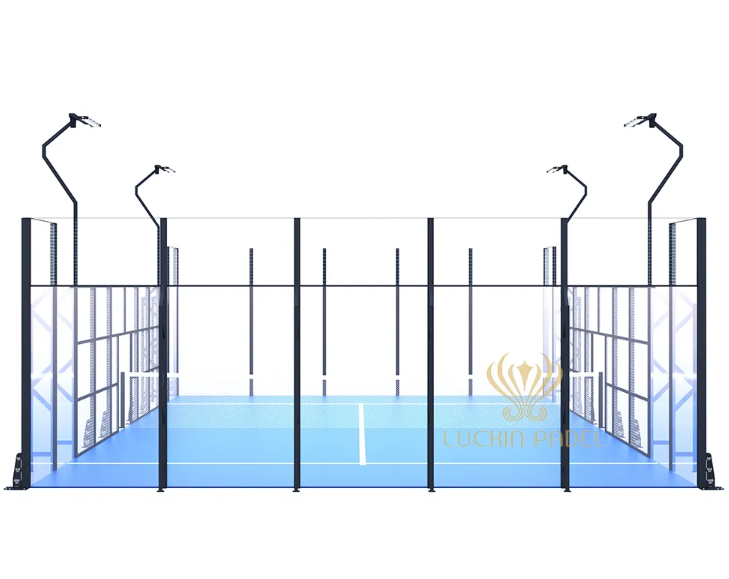
Optimal Padel Court Surface Materials for Consistent Playability
How surface materials and traction affect player movement and safety
What players stand on makes all the difference when it comes to how they perform and whether they end up hurt. Artificial turf filled with silica sand gives just the right mix of traction and slide control needed for padel's quick side-to-side movements and sharp turns. When compared against concrete courts, good quality turf can cut down impact forces by around 30 percent according to Sports Surface Testing from 2023. That means less wear and tear on knees and ankles during those sudden directional changes and stops. The ability to absorb shocks really matters too since it cuts down on common issues like twisted ankles and strained knees. A proper surface needs to let players slide predictably enough for intense net rallies without making them feel unstable or unsure about their footing.
Selecting artificial turf for reliable grip and controlled sliding
Most professional padel courts are covered in polyethylene monofilament turf that stands about 8 to 12 millimeters tall. This setup gives players reliable ball bounce and solid footing even when it rains or gets hot outside. The way the fibers are packed together creates good grip on the court surface while still allowing those tricky slides that pros need for their fancy moves. High quality court installations typically last around eight to ten years if maintained properly. They hold up much better than cheaper recreational surfaces which tend to wear down fast after heavy play sessions throughout the week.
Infill systems that ensure stable footwork and uniform ball bounce
Silica sand infill is basically what makes high performance padel courts work properly. The stuff holds down those grass fibers so players get a surface that's solid underfoot but still bounces predictably when balls hit it. The folks at International Padel Federation have actually set specific rules about how deep this sand needs to be spread and what size particles should make it up. They want to avoid those annoying dead zones where the ball just sits there instead of bouncing back normally during matches. When courts are built right with good quality infill installation, everyone playing gets pretty much the same experience no matter where they stand on the court surface.
Ball rebound behavior across different turf and infill combinations
How turf interacts with infill really affects how high and fast balls will bounce back. According to FIP guidelines from 2023, there needs to be pretty much the same bounce every time around 80 to 90 centimeters if dropped from about two and a half meters up. Getting this right makes all the difference during actual play whether someone is hitting drop shots, powerful smashes or trying to defend against aggressive rallies. The best quality surfaces keep performing well even after years of constant action, typically losing less than five percent of their original effectiveness within five years despite regular intense usage on courts.
Shock-Absorbing Cushioning for Player Safety and Performance
Reducing joint stress with effective padel court underlay systems
Good underlay systems really help cut down on joint stress when players make those sudden direction changes. Concrete floors and similar hard surfaces don't absorb much shock at all, which means athletes face higher risks of getting hurt from impacts. The right kind of underlay material can actually take away around 40% of the force hitting those knees and ankles during tough games or training sessions. Athletes need this extra padding not just to avoid injuries but also to keep performing well over time, especially in high level competitions where every second counts.
Comparison of padding materials beneath artificial turf
Rubber underlayments, especially ones made with EPDM material, really stand out when it comes to absorbing shocks and staying resilient even when temperatures fluctuate quite a bit. Foam padding does give good cushion at first, no doubt about that, but what happens is that it tends to get compressed after some time has passed, which makes it less effective than before. The real winners in terms of player safety and how responsive the field feels are these integrated cushioning layers found in modern synthetic turf setups. Most quality installations keep performing well for around a decade or so, though this obviously depends on how much they're used and maintained properly.
Long-term comfort and injury prevention through resilient cushioning
Good cushioning can cut down on muscle fatigue by around 30% when players are out there for long periods, which means they keep better form throughout games and don't end up so sore afterward. These cushioning systems work by spreading out the force from impacts over time, something that actually stops problems like tendonitis from developing or stress fractures appearing later on. Courts that have been properly padded tend to see about half as many injuries related to impact forces compared to those without good underlay. That makes sense why sports facilities worth their salt spend money on quality cushioning materials not just for the health of the players but also because it extends how long the courts themselves last before needing replacement.
Glass Walls and Rebound Dynamics in Padel Gameplay
Role of glass walls in defining padel court strategy and flow
Padel becomes something special when played behind those glass walls, basically creating a third dimension on the court that players have to think about constantly. The tempered glass panels used are usually around 10 to 12 millimeters thick, which means players can really exploit angles and get creative with their shot placement against the walls. What this does is turn what would normally be defensive situations into chances to score points, making everyone pay much closer attention to where they're standing and how far things are across the court. Because the ball bounces so predictably off the glass surfaces, padel isn't just about running around anymore it's actually become quite mathematical in nature, requiring good timing, reading of opponents' moves, and careful planning before hitting each shot.
Material impact on ball rebound accuracy and player predictability
When it comes to playing surfaces, tempered glass gives a really consistent bounce that lets athletes figure out their shot angles pretty accurately during offense plays. On the flip side, those galvanized steel mesh areas create what we call a "dead" bounce, which makes defense much harder to predict. Players have to constantly decide if the ball is going to land on glass or mesh as they play, affecting how fast they need to react when positioning themselves or taking their shots. This difference between materials actually adds layers to the game strategy without compromising fairness since both surfaces perform according to set standards across courts.
Tempered glass vs. acrylic: durability, clarity, and game consistency
In competitive padel settings, tempered glass simply does better than acrylic panels. The glass keeps looking clear year after year without those annoying scratches that ruin visibility during matches. Plus, it passes all the important safety tests like BS 6206 when it comes to how well it handles impacts. Acrylic might cost less upfront but gets cloudy pretty quickly. Players notice the difference because balls bounce differently off surfaces that have developed those tiny cracks and marks. Facility owners find themselves replacing acrylic panels every few months which adds up fast. That's why most serious courts now go with tempered glass despite the higher initial price tag. Maintenance budgets stay under control and games remain fair and consistent throughout seasons.
Balancing safety, visibility, and rebound control in wall design
Padel courts these days typically feature tempered glass alongside steel mesh walls that strike a good balance between keeping players safe, letting spectators see what's happening, and not messing up the game itself. The glass panels come with those nice rounded edges so nobody gets cut when they accidentally run into them during intense rallies. Meanwhile, the steel mesh parts go up higher than regular walls would, giving the court more protection against outside elements without blocking anyone's view from the stands. What this setup does in practice is keep everyone contained within the playing area, shield the court from rain or wind, and still allow fans to watch every shot clearly. Most importantly for serious players, the ball bounces predictably off these surfaces, making for a much better overall experience compared to older court designs.
Standardized Court Dimensions and Net Height for Fair Competition
International Padel Federation standards for court size and layout
According to the International Padel Federation (FIP), official courts need to measure around 20 meters long and 10 meters wide, give or take about half a percent either way so everyone plays on basically the same sized space worldwide. When it comes to setup, players will find service lines positioned roughly 6.95 meters away from where the net sits, while the surrounding walls must stand at minimum three meters tall to contain those fast-moving balls during intense matches. These standard measurements help maintain fairness throughout competitions because no one has an unfair advantage based on court size differences, plus they make sure balls bounce consistently regardless of location or tournament level.
Impact of precise net height on serve, volley, and game fairness
According to FIP rules, the net needs to be set at 0.88 meters high in the middle part and reaches 0.92 meters at each post. That small difference of about 4 cm makes sure balls follow their expected path during serves and volleys without creating unfair advantages. When nets are properly tightened, it stops those unpredictable bounces that throw off even experienced players. This consistency helps everyone build reliable game plans no matter where they play. Standard measurements across courts mean nobody gets an edge just because of local setup differences, which keeps things fair throughout competitions worldwide.
Lighting and Accessibility for Inclusive and Extended Padel Court Use
Designing multi-use padel courts with all-day usability in mind
Modern padel courts are designed for maximum accessibility and extended use. Strategic lighting enables safe play from dawn to late evening, increasing annual utilization by up to 300%. Compliance with international standards such as EN 12193:2008 ensures optimal visibility and safety, supporting everything from casual matches to tournament play.
Strategic LED lighting to reduce glare and shadow disruptions
LED floodlights mounted on 6-meter poles, positioned 4 meters from each corner, deliver uniform 300–500 lux illumination. This setup eliminates glare and shadows that impair vision and reaction time. The energy-efficient design provides consistent light distribution, creating ideal conditions for night play without compromising player comfort or performance.
Inclusive features for diverse age groups, skill levels, and abilities
When it comes to accessibility, we're talking about much more than just good lighting. There are smooth pathways running from the parking area right to the courts, measuring around 36 inches wide, plus gates at 32 inches specifically designed for wheelchairs. The facility also includes gentle sloping ramps and special spots set aside for spectators who need them. All these thoughtful touches not only comply with accessibility guidelines but actually help bring more people into the fold. That's why so many communities are embracing padel as something everyone can enjoy regardless of their physical limitations or age group.
Frequently Asked Questions
What is the best material for padel court surfaces?
Artificial turf filled with silica sand is considered optimal for padel courts because it provides a balance of traction and sliding control while minimizing impact forces on players.
Why is tempered glass preferred over acrylic for padel court walls?
Tempered glass offers better durability, clarity, and consistent rebound behavior compared to acrylic, making it a superior choice for competitive padel settings.
How does good cushioning impact player performance?
Quality cushioning reduces muscle fatigue and injury risks by effectively distributing impact forces, helping players maintain form and performance throughout games.
What are the standard dimensions for a padel court?
According to the International Padel Federation, official padel courts must be approximately 20 meters long and 10 meters wide, with net height at 0.88 meters in the center.
Table of Contents
- Optimal Padel Court Surface Materials for Consistent Playability
- Shock-Absorbing Cushioning for Player Safety and Performance
- Glass Walls and Rebound Dynamics in Padel Gameplay
- Standardized Court Dimensions and Net Height for Fair Competition
- Lighting and Accessibility for Inclusive and Extended Padel Court Use
- Frequently Asked Questions