 EN
EN

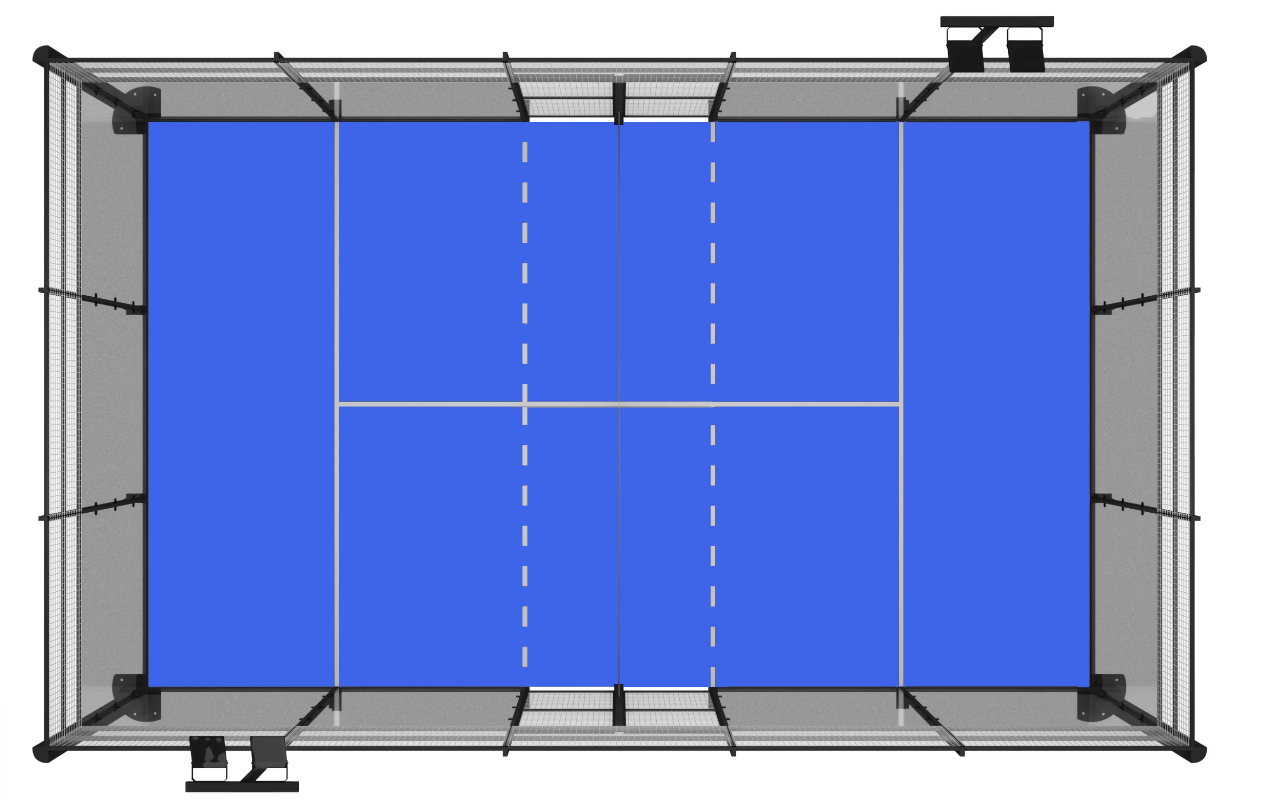
Superior Durability and Low Maintenance of Premium Padbol Court Surfaces
Long-Term Durability Considerations for Padbol Court Surfaces
High quality padbol courts generally last around 8 to 12 years when used every day. The materials used these days include special UV stabilized polymers that stop colors from fading and keep surfaces looking good for longer periods. A recent look at sports facilities in 2023 found something interesting though. Courts built with those reinforced polypropylene grids had about 62 percent fewer cracks compared to regular concrete ones after roughly 5,000 hours of actual playtime. That kind of durability makes a big difference especially since most facilities want surfaces that hold up without constant repairs or replacements.
Materials for Walls, Surfaces, and Enclosures That Withstand Intense Use
The walls of top quality padbol courts are made with 12mm tempered glass set inside strong steel frames. These materials can handle pretty serious impacts, about 90 kN per square meter to be exact. That's roughly what happens when balls hit them repeatedly at speeds around 120 kilometers per hour. For the playing area itself, manufacturers use cross lamination techniques with polyethylene fibers. Tests show these surfaces keep good traction even when there are over 40 players moving across them every minute. The result? Players get consistent grip throughout intense matches where quick movements are essential.
Climate Resistance and Installation Speed of Sports Courts
Modular padbol court systems perform reliably across extreme temperatures (-20°C to 50°C) and install 70% faster than poured alternatives. Their interlocking tile design allows full assembly and operation within 72 hours, even in adverse conditions such as frost or light rain, minimizing project delays and downtime.
Maintenance Needs: Modular vs Traditional Surfaces
| Factor | Modular Surfaces | Traditional Surfaces |
|---|---|---|
| Annual Cleaning | 2–3 pressure washes | Weekly brushing required |
| Crack Repairs | Tile replacement | Full surface resurfacing |
| Drainage Maintenance | Built-in channel system | Manual debris clearing |
Industry data shows modular systems reduce lifetime maintenance costs by 73% compared to acrylic-resin courts (Sports Surfaces Journal, 2023), making them a cost-efficient choice over time.
Sand-Dressed Artificial Turf vs. Modular Polypropylene Grid Solutions
While sand-dressed turf offers 1.2x better shock absorption, it requires quarterly sand top-ups to preserve bounce consistency. In contrast, modular polypropylene grids deliver permanent FIH-certified ball rebound angles (±2° variance) and eliminate infill migration, contributing to a 40% longer average lifespan before replacement.
Enhanced Player Performance and Safety on High-Quality Padbol Courts
Professional-grade padbol courts enhance both performance and safety through precision-engineered surfaces that support dynamic movement and reduce injury risk.
Surface Grip vs. Slide Control Balance for Optimal Movement
High-performance surfaces provide a balanced slip ratio of 15–20%, enabling controlled lateral movements without compromising stability. This optimal grip allows players to execute rapid directional changes while reducing strain on joints, particularly the ankles.
Ball Bounce Consistency Across Surfaces and Its Impact on Gameplay
Uniform surface density ensures predictable ball rebounds between 55–75 cm in height—aligned with international padel standards—eliminating erratic bounces seen on poorly leveled recreational courts. This consistency is essential for fair and skill-based gameplay.
Impact Absorption: Rubber vs Synthetic Turf in Player Safety
| Material | Shock Absorption | Durability | Maintenance |
|---|---|---|---|
| Rubber Granules | 63% force reduction | 8–10 years | Quarterly brushing |
| Synthetic Turf | 48% force reduction | 12–15 years | Biweekly sweeping |
Premium rubber blends reduce knee joint stress by 22% compared to basic polymers during stop-and-go maneuvers, offering enhanced protection during intense play.
Shock Absorption for Player Safety During Rapid Directional Changes
Multi-layer surfacing systems with recycled EPDM bases provide 31% better impact dispersion than single-material designs. This improved shock absorption is critical in preventing chronic injuries, especially in competitive environments where rapid acceleration and deceleration are frequent.
Professional Design Standards and Structural Integrity of Padbol Courts
Professional vs Recreational Court Standards in Dimensions and Layout
The official padbol courts follow pretty strict size rules, typically measuring around 20 meters long by 10 meters wide when measured between the inner walls. When people play for fun instead of competition, they usually shrink these dimensions down somewhere between 15% and 20%. This makes sense from a space standpoint but does affect how good the game feels overall. For serious tournaments though, the net needs to sit exactly at 0.88 meters high in the middle. Getting this right is important because it keeps things fair no matter what level players are competing at. A properly positioned net just makes everything work better during actual matches.
Court Structure and Dimensions Compliant with International Guidelines
The certified courts stick to guidelines set out by groups such as the International Padbol Federation in their 2023 specs. These require enclosures standing at four meters tall made up of three meters of glass panels below and one meter of metal mesh above. When courts don't meet these requirements, there are problems with how balls bounce back after hitting the walls plus higher chances for players getting hurt during games. Looking at data from a recent sports infrastructure report released in 2024 shows just how serious this issue really is. Nearly 92 percent of all injury reports came from facilities where the court design didn't match those official standards. That number alone makes it clear why sticking to proper construction specs matters so much for safety reasons.
Design Options for Enclosures and Indoor Clearance Requirements
Indoor installations require a minimum 6-meter vertical clearance to accommodate lighting, ventilation, and safe overhead play. Outdoor enclosures prioritize weather-resistant materials, with modular glass walls offering 40% faster installation than traditional brick constructions while maintaining consistent ball rebound characteristics.
Innovative Wall Construction Techniques for Consistent Rebound
Advanced wall systems using 6-mm tempered glass and composite polymer bases limit ball speed variance to ±3% across all impact zones. These materials prevent “dead spots” common in recreational setups, reducing player misstep risks by up to 70% (Sports Engineering Journal, 2024) and enhancing overall game predictability.
Weather Resistance and Efficient Drainage for Outdoor Padbol Courts
Drainage Efficiency in Outdoor Padbol Court Installations
The best outdoor padbol courts typically have a slope somewhere between half a percent and one percent according to most building standards. This helps get rid of rainwater properly so it doesn't just sit around creating puddles. Drainage systems for these courts usually mix materials that let water pass through them like special concrete or those grid systems we see sometimes. Beneath the surface there are channels that can move about two thousand to three thousand liters an hour when needed. All this works together pretty well to stop soil from washing away, keeps the grass looking good, and means players don't have to wait forever after a storm before they can play again.
Weather Resistance of Materials Used in Padbol Court Surfaces
UV stabilized polypropylene grids along with all weather acrylic resins stay pretty much the same whether it gets down to minus 20 degrees Celsius or up to 50 degrees. They don't really warp, fade away, or expand when heated. The modular surface design is another plus since it doesn't hold onto much moisture which stops mold from growing on it something traditional turf filled with sand just can't avoid. Those rubber shock pads underneath keep bouncing back season after season so balls still behave predictably when they hit the ground. Lab tests show these materials keep about 95 percent of their grip even after sitting out in the sun for over 10 thousand hours. Makes sense why sports facilities near beaches or areas that get lots of rain tend to prefer these kinds of materials for their playing surfaces.
Economic and Strategic Benefits of Investing in a High-Quality Padbol Court
Facility Value and Event Hosting Potential of Professional-Grade Courts
A top quality padbol court can actually boost property values between 12 and 18 percent when compared to standard recreational areas according to the latest Sports Infrastructure Report from 2024. What makes these courts so valuable is their versatility. They work great for all sorts of activities like tournaments, company functions, and regular league games. Facilities that have officially certified designs tend to get used about 30% more often throughout the year. Why? Because they're able to attract bigger crowds for national qualifying events and spectator friendly matches that bring people through the doors regularly.
Professional Design Importance in Attracting Clubs and Tournaments
When sports facilities meet international standards with proper size requirements (around 20x10 meters) and enough headroom, they tend to attract attention from local sports groups looking for official competition spaces. Facilities that have proper certification actually get about 80 percent more tournament invitations compared to those that don't meet these requirements. Modern court designs incorporate modular elements which cut down on maintenance expenses over time. These savings come from using tough materials that stand up to weather conditions plus smart drainage solutions that keep surfaces intact even after heavy rain. The mix of professional look and lower operating costs means better financial returns for facility owners while also building trust within communities interested in competitive athletics.
FAQ
How long do high-quality padbol courts last?
High-quality padbol courts typically last between 8 to 12 years with regular use, thanks to the durable materials like UV stabilized polymers used in their construction.
What materials are used for padbol court walls?
The walls of top-quality padbol courts are generally made from 12mm tempered glass set within strong steel frames, which can handle intense impacts.
How do modular padbol courts compare to traditional courts in terms of installation speed and maintenance?
Modular padbol court systems install 70% faster than traditional poured alternatives and require significantly less maintenance, reducing lifetime costs by 73% comparing to acrylic-resin courts.
What is the impact of padbol court design on event hosting?
Professional-grade design and certified standards boost property values and event hosting capability, leading to a higher usage rate and attracting more tournaments.
Table of Contents
-
Superior Durability and Low Maintenance of Premium Padbol Court Surfaces
- Long-Term Durability Considerations for Padbol Court Surfaces
- Materials for Walls, Surfaces, and Enclosures That Withstand Intense Use
- Climate Resistance and Installation Speed of Sports Courts
- Maintenance Needs: Modular vs Traditional Surfaces
- Sand-Dressed Artificial Turf vs. Modular Polypropylene Grid Solutions
- Enhanced Player Performance and Safety on High-Quality Padbol Courts
- Professional Design Standards and Structural Integrity of Padbol Courts
- Weather Resistance and Efficient Drainage for Outdoor Padbol Courts
- Economic and Strategic Benefits of Investing in a High-Quality Padbol Court
- FAQ